

AUK Students Win 1st and 3rd in UN HABITAT Writing Competition

Courtesy of UN HABITAT
The United Nations Human Settlements Programme Office for Arab Cities in Kuwait announced the winners for the 2010 Writing Competition entitled "Cities, Climate Change and Youth" organized in cooperation with the Lothan Youth Achievement Center (LOYAC). First place went to Ms. Shaha Bader Al-Munaifi of the American University of Kuwait, second place went to Ms. Samah Muhammad Khalid at Box Hill College Kuwait and third place went to Mr. Nasser Sharaf Al-Ajmi at the American University of Kuwait.
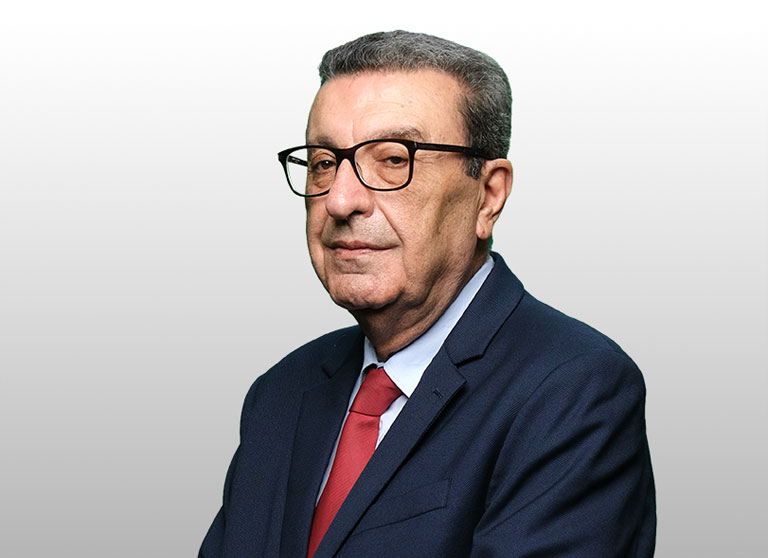
Dr. Tarek El Sheikh Chief of UN HABITAT Kuwait Office confirmed that the judging of the submitted essays was conducted with full transparency and neutrality. This expert panel was comprised of the following personalities: Dr. Manaf Behbehani of the Department of Biological Sciences in the Faculty of Science at Kuwait University, Dr. Omar Khattab, Associate Professor in the Department of Architecture in the College of Engineering and Petroleum at Kuwait University, Dr. Ali Khuraibet, General Manager of ECO Environmental Consultant, Ms. Faten Al-Mussalam, Director of the Environmental Strategy Office in the Environment Public Authority for the State of Kuwait, Sandra Al-Saleh, Managing Partner of Equilibrium, Mr. Abdulatif Al-Mishari and Ms. Alya Al-Hamad who served as youth representatives for LOYAC youth organization, UN HABITAT's organizing partner for the event panel, and Dr. Samira Omar Asem, Division Director of the Food Resources and Marine Sciences Division at the Kuwait Institute for Scientific Research. Dr. Tarek El-Sheikh and Ms. Fareah Al-Saqqaf, Vice Chairperson and Managing Director of LOYAC served as observers to the event.
The office announced the competition in mid-November and received many contributions from young people studying at universities in Arab countries regardless of their nationality and this indicates a high level of awareness among youth in Arab universities and an eagerness to participate in the human development and urban development of cities. The impact of climate change takes place in cities, towns and villages. They in turn have the greatest impact on climate change. At the same time, cities present a great potential for implementation of innovative climate change measures.
Dr. Tarek El Sheikh, Chief of the UN HABITAT Office, acknowledged the role and efforts of the expert panel and thanked them for their contributions in the deliberation talks, noting their neutrality, professionalism and transparency.
Victoria Wisniewski Otero, contest coordinator of the program, stated "the United Nations Human Settlements Programme recognizes young people as key stakeholders and active participants in the future of human settlements in order to ensure a brighter urban future for our planet. We must have local solutions to offset global disasters. The youth are some of the people who will be most affected by climate change. At the same time, it's been demonstrated that young individuals can serve as influential change agents in their communities, something that has been verified by the results of this contest."
Dr. Tarek El Sheikh said "It is wonderful to see two Kuwaitis among the top three winners."
The first place winner, Shaha Bader Al Munaifi, will attend the United Nations World Urban Youth Assembly in Rio de Janeiro from March 19-20, 2010 as a guest of the UNITED NATIONS and will get the opportunity to discuss with youth from all over the world the existing urban challenges as well as being received by the Executive Director of UN HABITAT. The runner-ups will receive a certificate of achievement from the UN HABITAT Office, with the possibility to publish their research on our website.
Dr. Tarek El Sheikh appealed to young people in Arab cities to get involved in the events and activities organized by the UN Programme for Human Settlements and said "young people are key to their society and on their shoulders rests a great responsibility for the development and progress of all nations. This can be achieved only through full awareness of issues concerning their city in order to be fully prepared to address the challenges associated with urbanization through scientific research to offer realistic solutions."
Related News