


AUK's Center for Gulf Studies Hosts Lecture on the Philippine-GCC Migration Corridor
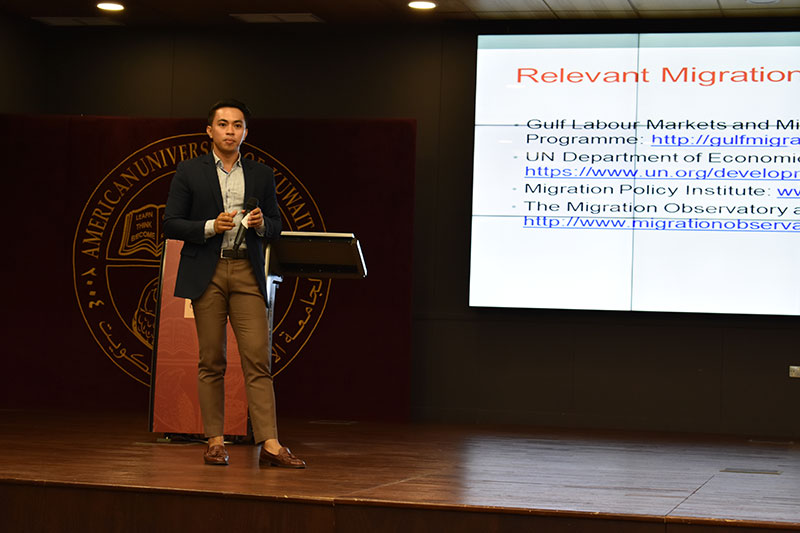
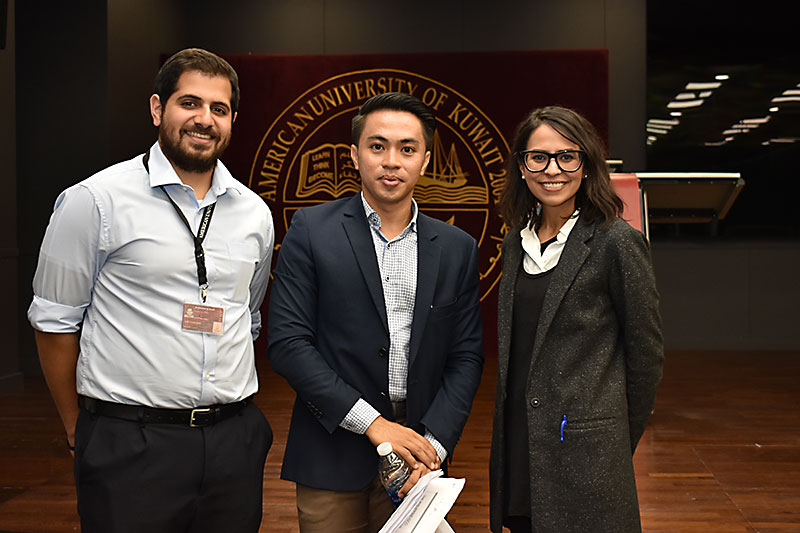
The Center for Gulf Studies at AUK hosted Froilan T. Malit Jr., who delivered a lecture called, "The Philippine-GCC Migration Corridor: A New Era of Labor Migration Diplomacy".
Malit is a Research Fellow at the Institute for Social and Economic Research at Zayed University, Dubai. His lecture focused on the question "Why do countries enact policies that are detrimental to all parties-countries and workers?" This lecture followed the recent tragic death of a Filipina domestic worker in Kuwait which prompted the Philippines to ban its citizens from migrating to Kuwait for domestic work.
Malit began the lecture by outlining the four main points he wanted to make-international diplomatic cooperation and accountability are key in governing temporary labor migration; most labor-sending nations are bound to fail in securing labor rights and protections for their laborers; countries sending labor forces are defined by their economic interests (remittances) as it reflects on their approach to foreign policy; and strong political action to address domestic unemployment can be an important tool to reduce migration tension. These points, which Malit offered as the most important information to take away from the lecture, were then rigorously defended throughout the rest of the lecture.
One particularly interesting aspect of his talk was his discussion of global migration trends. In the past twenty-seven years, over 250 million workers have migrated to find work abroad. Because of the GCC's lower labor standards and looser policies-compared to developed countries-the GCC countries are attractive to lower skilled workers. Kuwait has the third highest foreign labor share in the Gulf, with 3.8 million foreign laborers, constituting 69% of the labor force. Malit warned that these numbers are quite daunting to officials, as they present a regulatory and logistical issue. However, these numbers also present a reality that migrant labor is becoming an important facet of the developing economies that are sending laborers. Last year, migrant laborers contributed $450 billion in remittances, and this year that number is expected to grow to $600 billion, $100 billion of which come from GCC countries.
To answer the original question he had posed, Malit offered the answer, "Both skilled and unskilled markets matter. While unskilled workers face many workplace risks, skilled labor is still protected. The Philippines wants to keep skilled labor exports and the remittances they bring, and thus the Philippines will keep sending workers despite risks."
Froilan Malit Jr. is a migration researcher and an Associate at Gulf Labour Markets and Migration Programme (GLMM). He has extensively worked as a technical consultant on labor migration policy issues for the ILO, UN-IOM, UAE Ministry of Human Resources and Emiratization, Abu Dhabi Dialogue Permanent Office, and the Philippine government. He has published peer review articles, book chapters, technical and policy reports on labor migration topics in the Middle East and North Africa. He holds both undergraduate and graduate degrees from Cornell University and the University of Oxford and a migration certificate from the European University Institute.
Malit is a Research Fellow at the Institute for Social and Economic Research at Zayed University, Dubai. His lecture focused on the question "Why do countries enact policies that are detrimental to all parties-countries and workers?" This lecture followed the recent tragic death of a Filipina domestic worker in Kuwait which prompted the Philippines to ban its citizens from migrating to Kuwait for domestic work.
Malit began the lecture by outlining the four main points he wanted to make-international diplomatic cooperation and accountability are key in governing temporary labor migration; most labor-sending nations are bound to fail in securing labor rights and protections for their laborers; countries sending labor forces are defined by their economic interests (remittances) as it reflects on their approach to foreign policy; and strong political action to address domestic unemployment can be an important tool to reduce migration tension. These points, which Malit offered as the most important information to take away from the lecture, were then rigorously defended throughout the rest of the lecture.
One particularly interesting aspect of his talk was his discussion of global migration trends. In the past twenty-seven years, over 250 million workers have migrated to find work abroad. Because of the GCC's lower labor standards and looser policies-compared to developed countries-the GCC countries are attractive to lower skilled workers. Kuwait has the third highest foreign labor share in the Gulf, with 3.8 million foreign laborers, constituting 69% of the labor force. Malit warned that these numbers are quite daunting to officials, as they present a regulatory and logistical issue. However, these numbers also present a reality that migrant labor is becoming an important facet of the developing economies that are sending laborers. Last year, migrant laborers contributed $450 billion in remittances, and this year that number is expected to grow to $600 billion, $100 billion of which come from GCC countries.
To answer the original question he had posed, Malit offered the answer, "Both skilled and unskilled markets matter. While unskilled workers face many workplace risks, skilled labor is still protected. The Philippines wants to keep skilled labor exports and the remittances they bring, and thus the Philippines will keep sending workers despite risks."
Froilan Malit Jr. is a migration researcher and an Associate at Gulf Labour Markets and Migration Programme (GLMM). He has extensively worked as a technical consultant on labor migration policy issues for the ILO, UN-IOM, UAE Ministry of Human Resources and Emiratization, Abu Dhabi Dialogue Permanent Office, and the Philippine government. He has published peer review articles, book chapters, technical and policy reports on labor migration topics in the Middle East and North Africa. He holds both undergraduate and graduate degrees from Cornell University and the University of Oxford and a migration certificate from the European University Institute.
Related News

AUK Students Embark on Semester Abroad at Sciences Po
27, Sep 2026
Dr. Nizar Hamzeh Publishes Research on Kuwait’s Constitutional Approach to International Law
16, Sep 2026
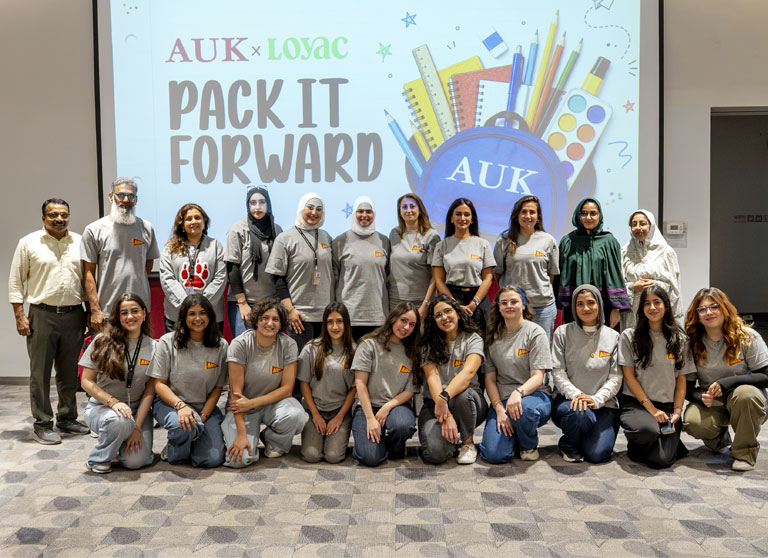
AUK Provides 200 School Bags to Support Families in Collaboration with LOYAC
13, Sep 2026
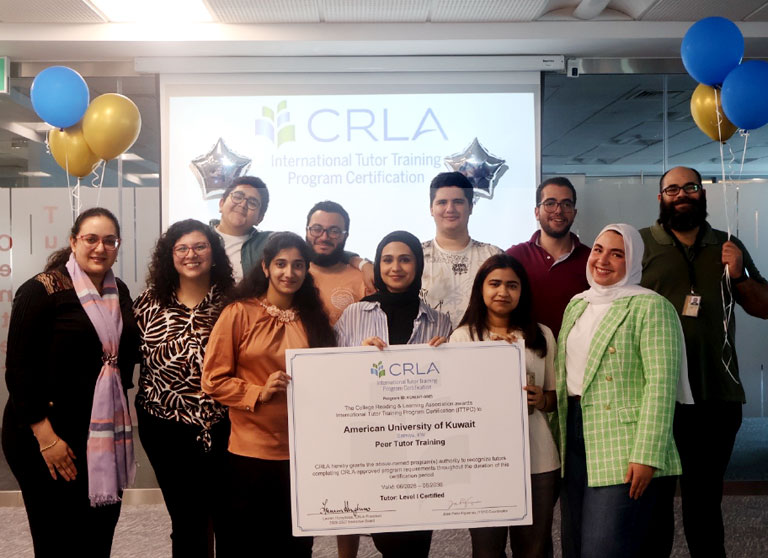
AUK Tutoring Center Renews International CRLA Certification
25, Aug 2026
American University of Kuwait Partners with Ruba to Facilitate Flexible Tuition Payment Solutions
24, Aug 2026

American University of Kuwait Professor Clark Stoeckley Showcases Work at Dartmouth
18, Aug 2026
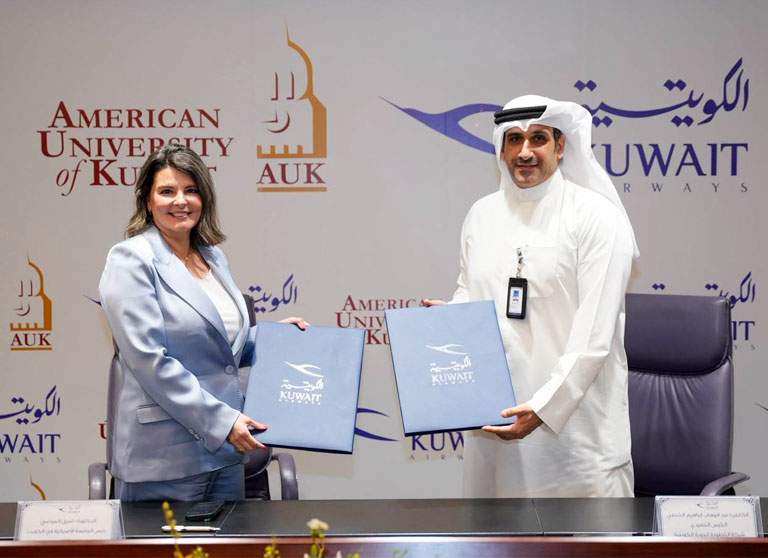
American University of Kuwait and Kuwait Airways Sign Memorandum of Understanding to Strengthen Academic and Professional Collaboration
09, Aug 2026
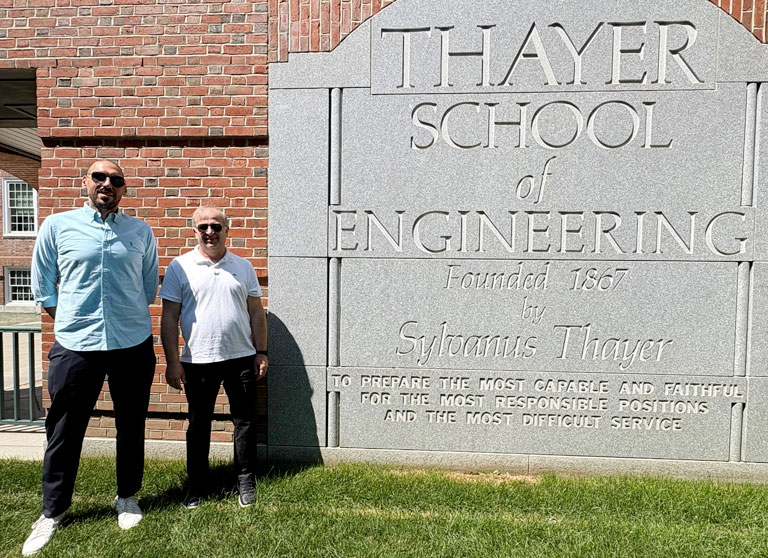
AUK Faculty Strengthen International Research Collaboration Through Dartmouth Partnership
26, Jul 2026

AUK Showcases Its Academic Programs at Universities Exhibition
24, Jul 2026
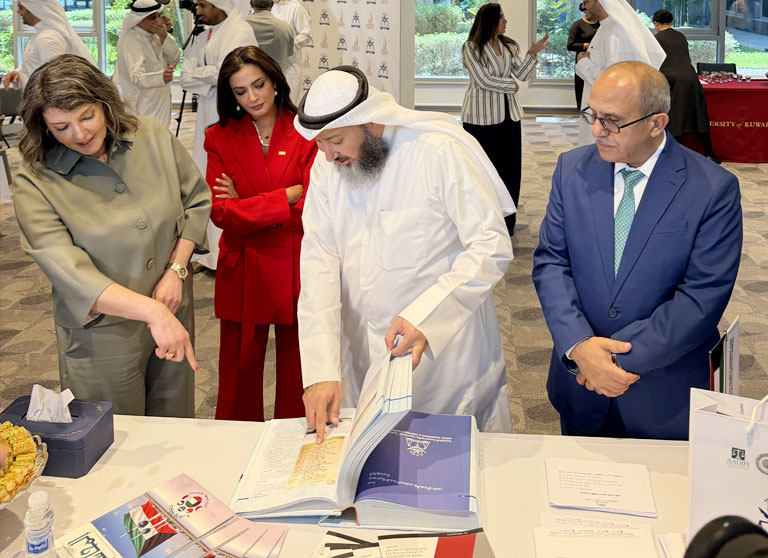
AUK Signs an MOU with the Kuwait Association of Accountants and Auditors to Strengthen Academic and Professional Collaboration
22, Jul 2026