


Lecture by Clifford Chanin
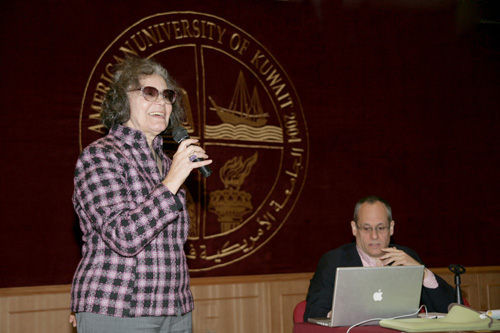
Addressing the Goals and Challenges of Higher Education in the Gulf
Clifford Chanin, President of the Legacy Project in the United States, returns to the American University of Kuwait to present a lecture on "Goals and Challenges of Higher Education in the Gulf."
To an audience of students, academics and staff of AUK, Chanin described the issue of Higher Education as being widely seen as "the way in which societies can master the training of young people, creation of quality jobs, and the integration into the global economy."
Chanin referred to two recently published front-page articles in the New York Times about the development of higher educational options in the Gulf region to show that American Liberal Arts education in the Gulf is rising to public attention in the United States and the West and further that it's a model of education that continues to be a model that people around the world are looking to.
Some of the challenges he presented, with references to a World Bank Study titled "The Road Not Travelled: Education Reform in the Middle East and North Africa" are that there is currently a "youth bulge" that is creating social and economical problems because there are too many university graduates and not enough quality jobs.
Another significant challenge shown by the World Bank study, he said, was that nearly 80% of GCC nationals are employed in the public sector.
Furthermore, Chanin emphasized the importance of thinking about the phenomenon of higher education in the Gulf in relation to elsewhere in the Middle East, in light of the particular circumstances of the Gulf countries- higher incomes, lower population- which have the potential of solidifying a higher education model that stimulates exchange and supports development with the larger Middle East and North Africa region.
Clifford Chanin, President of the Legacy Project in the United States, returns to the American University of Kuwait to present a lecture on "Goals and Challenges of Higher Education in the Gulf."
To an audience of students, academics and staff of AUK, Chanin described the issue of Higher Education as being widely seen as "the way in which societies can master the training of young people, creation of quality jobs, and the integration into the global economy."
Chanin referred to two recently published front-page articles in the New York Times about the development of higher educational options in the Gulf region to show that American Liberal Arts education in the Gulf is rising to public attention in the United States and the West and further that it's a model of education that continues to be a model that people around the world are looking to.
Some of the challenges he presented, with references to a World Bank Study titled "The Road Not Travelled: Education Reform in the Middle East and North Africa" are that there is currently a "youth bulge" that is creating social and economical problems because there are too many university graduates and not enough quality jobs.
Another significant challenge shown by the World Bank study, he said, was that nearly 80% of GCC nationals are employed in the public sector.
Furthermore, Chanin emphasized the importance of thinking about the phenomenon of higher education in the Gulf in relation to elsewhere in the Middle East, in light of the particular circumstances of the Gulf countries- higher incomes, lower population- which have the potential of solidifying a higher education model that stimulates exchange and supports development with the larger Middle East and North Africa region.
Dr. Marina Tolmacheva, the president of the AUK welcomes AUK guests and Mr. Clifford Chanin
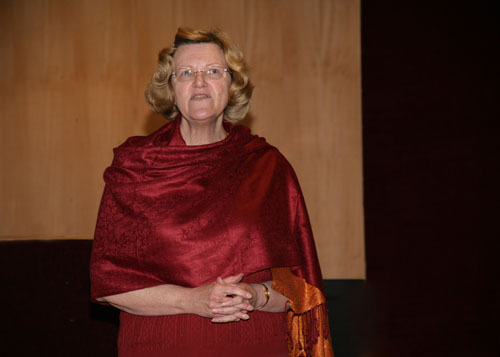
Dr. Marjorie Kelly, Assistant Professor of Anthropology introduces Dr.Marina Tolmacheva
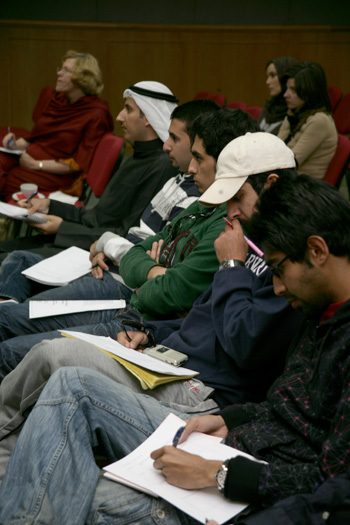
An audience of students, academics and staff of AUK attended the lecture
Related News

AUK Students Embark on Semester Abroad at Sciences Po
27, Sep 2026
Dr. Nizar Hamzeh Publishes Research on Kuwait’s Constitutional Approach to International Law
16, Sep 2026
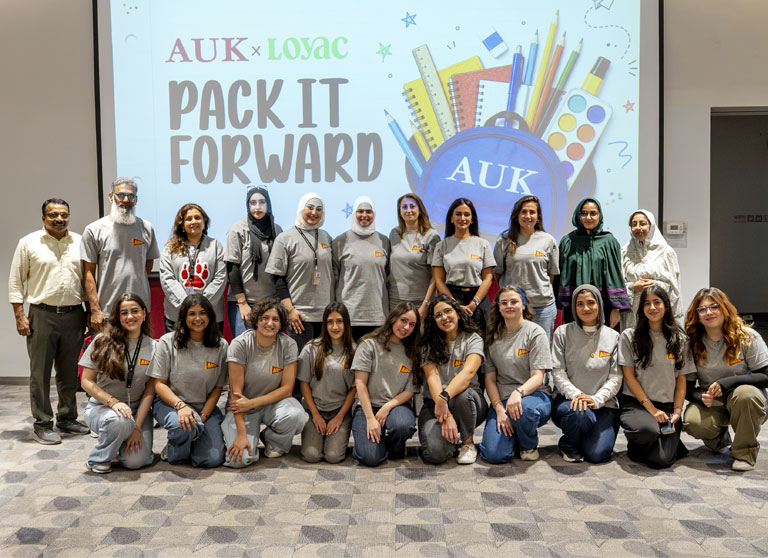
AUK Provides 200 School Bags to Support Families in Collaboration with LOYAC
13, Sep 2026
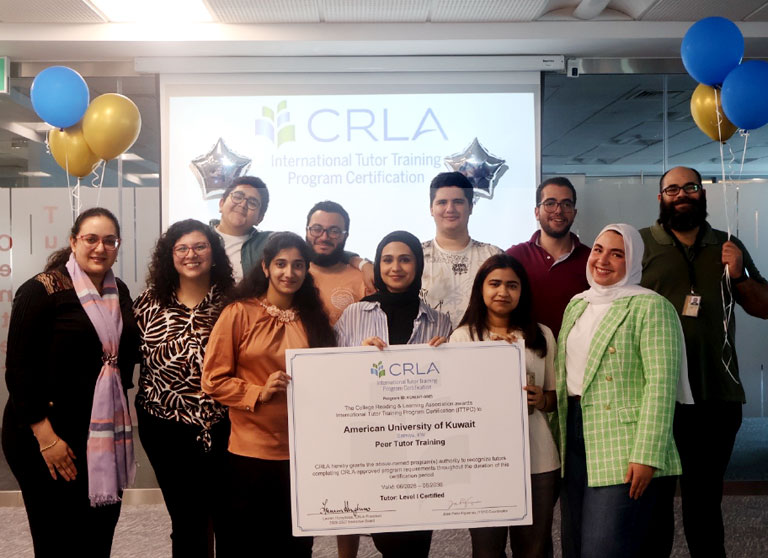
AUK Tutoring Center Renews International CRLA Certification
25, Aug 2026
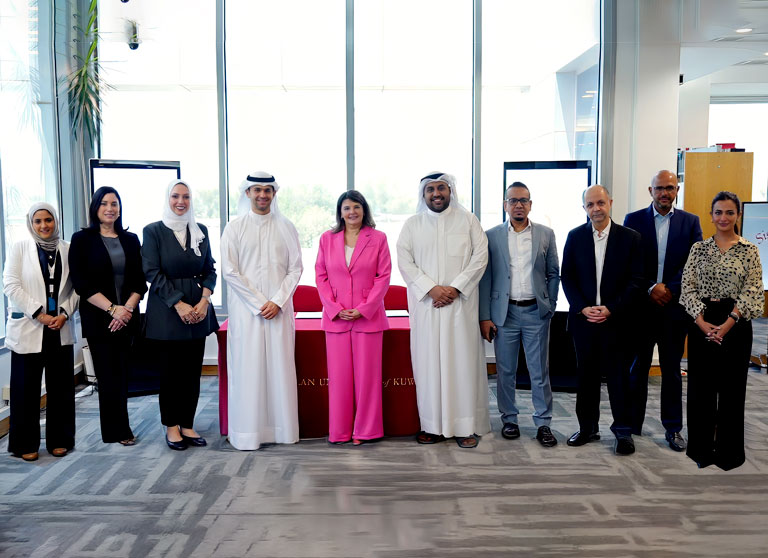
American University of Kuwait Partners with Ruba to Facilitate Flexible Tuition Payment Solutions
24, Aug 2026
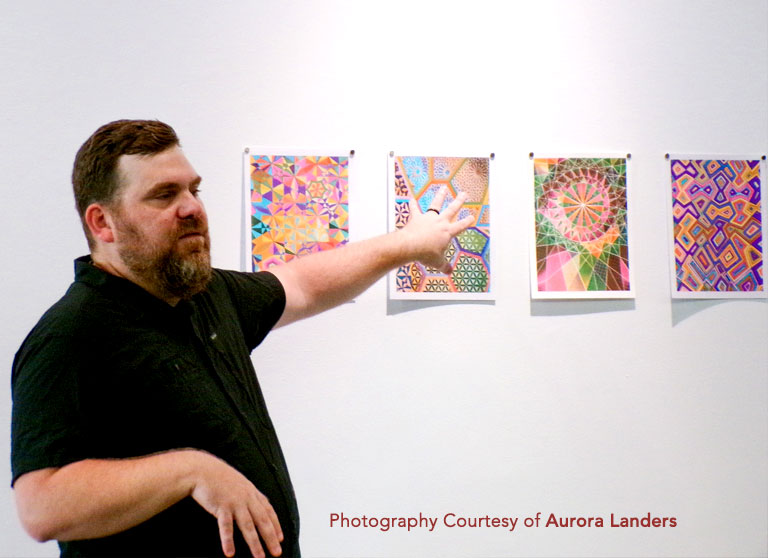
American University of Kuwait Professor Clark Stoeckley Showcases Work at Dartmouth
18, Aug 2026
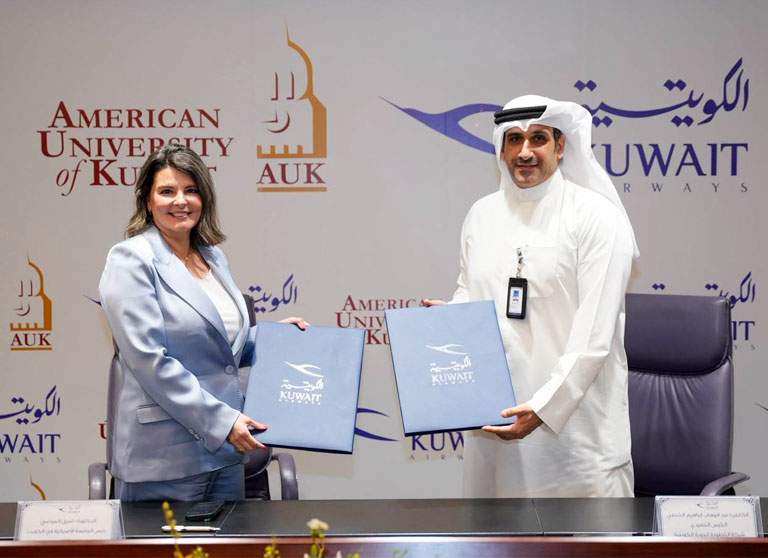
American University of Kuwait and Kuwait Airways Sign Memorandum of Understanding to Strengthen Academic and Professional Collaboration
09, Aug 2026
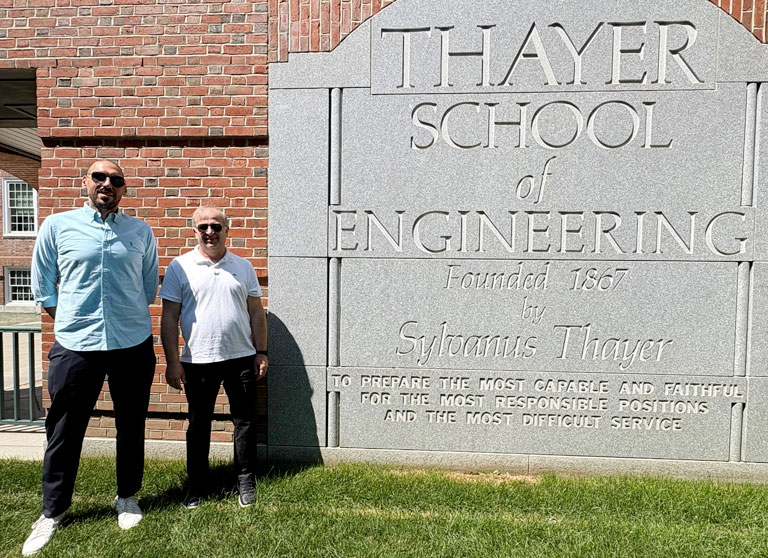
AUK Faculty Strengthen International Research Collaboration Through Dartmouth Partnership
26, Jul 2026
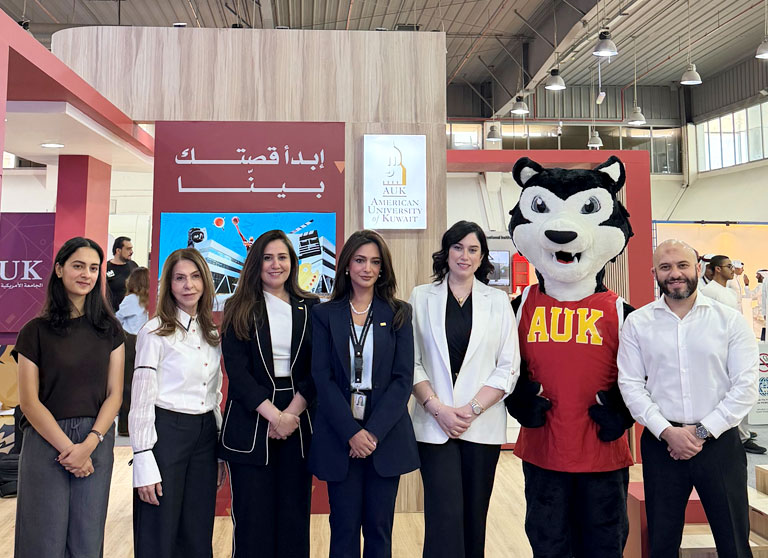
AUK Showcases Its Academic Programs at Universities Exhibition
24, Jul 2026
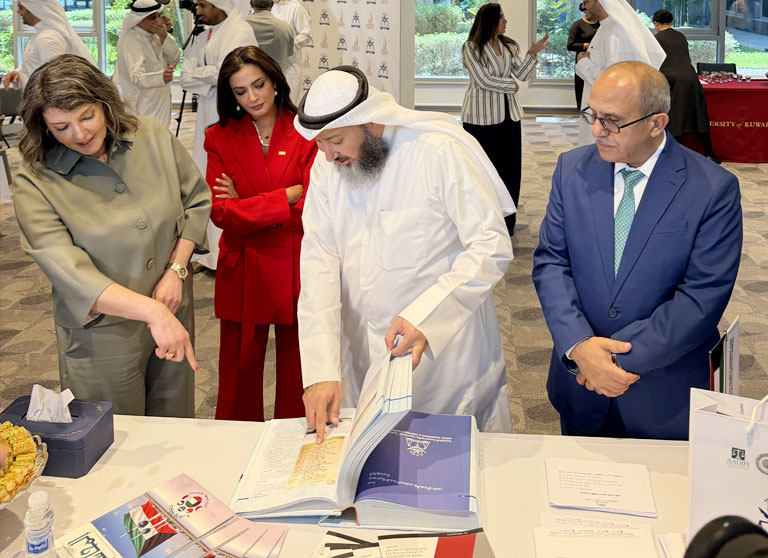
AUK Signs an MOU with the Kuwait Association of Accountants and Auditors to Strengthen Academic and Professional Collaboration
22, Jul 2026