


President Tolmacheva's Speech at the Liberal Arts Conference
On May 15, the first day of the 2nd Kuwait Liberal Arts Conference, President Marina Tolmacheva inaugurated the event with a poignant speech, welcoming participants and attendees, and touching on the topic that was at the core of the two-day conference: liberal arts. Below is a complete transcript of her speech:
Teaching Liberal Arts in Kuwait
Welcome to the Second Liberal Arts conference at American University of Kuwait. I extend this welcome to all faculty, students, and visitors, and most especially to our Dartmouth guests John and Helene Rassias, of Dartmouth College and the Rassias Foundation in Hanover, New Hampshire, USA. John Rassias is recognized world-wide as the creator of the Rassias method of foreign language instruction, and he is here to share with AUK faculty and students his method which builds language skills on a foundation of intercultural understanding and communication, both important aspects of contemporary liberal-arts education.
Founded in 2004, American University of Kuwait is an independent, private, equal opportunity, and co-educational institution of higher education dedicated to offering our students a quality education based on the American model of a liberal-arts College - such as Dartmouth, with whom AUK has a Memorandum of Understanding. In 2004 Dartmouth College, recognized as one of the top American universities and famous for its commitment to liberal-arts education, hosted a conference titled "The Liberal Education: Dead or Alive?" The keynote conference speaker was Raimond Gaita, a philosophy professor of King's College London. He told an anecdote about the Thatcher years when universities felt under siege from the market-oriented conservative government. King's College faculty told a junior government minister they had invited that if a university eliminated its philosophy department, it couldn't be called a university. "That's OK," the minister replied. "We'll call it something else."
The concept of liberal education as a career-building foundation in the sciences, business and entrepreneurship invites a broad intellectual exchange, and this is our primary motivation for developing a tradition of academic conferences centered on the concept of Liberal Arts education in the 21st century. As we all know, education is about more than subjects, disciplines, and a curriculum; life is not divided into "majors." Our programs are designed to prepare students for the contemporary world where critical thinking, communication skills, and life-long learning have become imperative. The very transferability of liberal-arts skills has become a "selling" point for employers of liberal-arts graduates. These skills, variously named and numbered by the experts, include interpersonal and team-working skills, written and oral communication skills, adaptability to change, problem-solving skills, and critical, analytical, and creative thinking.
In Kuwait and the Middle East, we struggle to make the concept of Liberal Arts understood, despite the wonderful heritage of medieval Islamic science and philosophy. The Liberal Arts in the Western tradition were based on Classical philosophy and the early disciplines that shaped the education from Antiquity to the Enlightenment. Strikingly, the ancient Greek term that was translated by the Romans as "art," was techne, meaning "skill" rather than "art" in our contemporary understanding. Technai eleuteries meant the "liberal arts" in the sense of knowledge and intellectual qualities required of a Greek citizen in the age of Athenian democracy. In Rome, and then in medieval Europe, "Liberal Arts" came to mean the broad education in a whole range of knowledge not limited to a certain discipline that enables a person to gain competency in various fields and develop a civic consciousness and informed habits of thought. The usual translation of "Liberal Arts" into Arabic as "al-funoon al-hurra," from fann "art," carries the confusing implications of Fine Arts, of art as craft, or even of science as technique. The Arabic word aadaab, the plural of the singular adab, usually translated as "literature," fully corresponds to the plural "Letters" in the phrase funoon wa'l-aadaab "Arts and Letters" or al-aadaab wa'l-`uloom, "Arts and Sciences." The phrase "al-aadaab al-hurra" for "Liberal Arts" better conveys the social and intellectual aspects of reflective knowledge, of enlightened judgment, and of educated and cultivated qualities required for meaningful participation in society.
In affirming our commitment to the Liberal Arts mission, we often argue that the learning skills developed through liberal education sometimes are valued by faculty and employers alike over narrow professional knowledge. However, it is important to emphasize that the argument for Liberal Arts does not constitute an argument against professional knowledge. Rather, we aim to avoid narrow-field knowledge and training in favor of broad-based knowledge of a full range of disciplines.
Without knowledge and informed acquaintance with many areas of study, analytical and critical thinking may descend to the level of uninformed opinion or biased attitude - occasionally supported by manipulation of words, numbers or images -- rather than balanced analysis of facts in context. By using critical thinking, students learn to examine and evaluate evidence and to distinguish between argument, opinion, and fact. They "learn to identify assumptions, evaluate evidence, to reason correctly, and to take responsibility for the conclusions that result" * [*Grinnell College Catalog, "Education in the Liberal Arts, at http://www.grinnell.edu/academic/catalog/education/ ].
The magazine Business Week reports that chief executives are quick, creative learners who embrace change. We recognize those qualities as the products of a broadly based liberal education. Yet here in Kuwait, we hear apprehensive predictions that American-model liberal education will produce unemployed liberal-arts graduates. Such fears are not totally alien to the United States public opinion. In response, W.R. Connor, president of Teagle Foundation and former president of the National Humanities Center, writes:
"The greatest problem confronting the liberal arts is not a glut of graduates possessing these qualities, but the difficulties of developing them more fully at every stage of education. In that effort we have perhaps more allies than we might think, including those outside academic who know how much they are needed in our society today. Just as war is too important to be left to the generals, so the liberal arts cannot be the exclusive prerogative of those of us in academia. Thoughtful, committed people from outside academia - we all know some of them -can help keep us focused on the importance of these skills of freedom in this time of radical, unpredictable change."
[* W.R. Connor, "Liberal Arts Education in the Twenty-First century." AALE Occasional Papers in Liberal Education #2 (Chapel Hill, NC: American Academy for Liberal Education, 2000, p.8).]
Our faculty work hard to create a caring environment where every aspect of students' development gets attention and support. To achieve positive student learning outcomes, our faculty incorporate a wide range of educational practices into classroom instruction and mentoring. Moreover, our liberal-arts-oriented educational mission calls for a positive connection between teaching and scholarly activity. This conference provides a forum for our international faculty to share their expertise and brings to the university their experience and wisdom and their passion for educating students "broadly and liberally." The publication of the first issue of the AUK Occasional Papers containing submissions to the 2005 AUK conference on Liberal Arts and Business is a significant first step on the way toward sharing our vision of liberal education with Kuwait and the Middle East. We welcome your participation in this conference and look forward to your presentations.
Teaching Liberal Arts in Kuwait
Welcome to the Second Liberal Arts conference at American University of Kuwait. I extend this welcome to all faculty, students, and visitors, and most especially to our Dartmouth guests John and Helene Rassias, of Dartmouth College and the Rassias Foundation in Hanover, New Hampshire, USA. John Rassias is recognized world-wide as the creator of the Rassias method of foreign language instruction, and he is here to share with AUK faculty and students his method which builds language skills on a foundation of intercultural understanding and communication, both important aspects of contemporary liberal-arts education.
Founded in 2004, American University of Kuwait is an independent, private, equal opportunity, and co-educational institution of higher education dedicated to offering our students a quality education based on the American model of a liberal-arts College - such as Dartmouth, with whom AUK has a Memorandum of Understanding. In 2004 Dartmouth College, recognized as one of the top American universities and famous for its commitment to liberal-arts education, hosted a conference titled "The Liberal Education: Dead or Alive?" The keynote conference speaker was Raimond Gaita, a philosophy professor of King's College London. He told an anecdote about the Thatcher years when universities felt under siege from the market-oriented conservative government. King's College faculty told a junior government minister they had invited that if a university eliminated its philosophy department, it couldn't be called a university. "That's OK," the minister replied. "We'll call it something else."
The concept of liberal education as a career-building foundation in the sciences, business and entrepreneurship invites a broad intellectual exchange, and this is our primary motivation for developing a tradition of academic conferences centered on the concept of Liberal Arts education in the 21st century. As we all know, education is about more than subjects, disciplines, and a curriculum; life is not divided into "majors." Our programs are designed to prepare students for the contemporary world where critical thinking, communication skills, and life-long learning have become imperative. The very transferability of liberal-arts skills has become a "selling" point for employers of liberal-arts graduates. These skills, variously named and numbered by the experts, include interpersonal and team-working skills, written and oral communication skills, adaptability to change, problem-solving skills, and critical, analytical, and creative thinking.
In Kuwait and the Middle East, we struggle to make the concept of Liberal Arts understood, despite the wonderful heritage of medieval Islamic science and philosophy. The Liberal Arts in the Western tradition were based on Classical philosophy and the early disciplines that shaped the education from Antiquity to the Enlightenment. Strikingly, the ancient Greek term that was translated by the Romans as "art," was techne, meaning "skill" rather than "art" in our contemporary understanding. Technai eleuteries meant the "liberal arts" in the sense of knowledge and intellectual qualities required of a Greek citizen in the age of Athenian democracy. In Rome, and then in medieval Europe, "Liberal Arts" came to mean the broad education in a whole range of knowledge not limited to a certain discipline that enables a person to gain competency in various fields and develop a civic consciousness and informed habits of thought. The usual translation of "Liberal Arts" into Arabic as "al-funoon al-hurra," from fann "art," carries the confusing implications of Fine Arts, of art as craft, or even of science as technique. The Arabic word aadaab, the plural of the singular adab, usually translated as "literature," fully corresponds to the plural "Letters" in the phrase funoon wa'l-aadaab "Arts and Letters" or al-aadaab wa'l-`uloom, "Arts and Sciences." The phrase "al-aadaab al-hurra" for "Liberal Arts" better conveys the social and intellectual aspects of reflective knowledge, of enlightened judgment, and of educated and cultivated qualities required for meaningful participation in society.
In affirming our commitment to the Liberal Arts mission, we often argue that the learning skills developed through liberal education sometimes are valued by faculty and employers alike over narrow professional knowledge. However, it is important to emphasize that the argument for Liberal Arts does not constitute an argument against professional knowledge. Rather, we aim to avoid narrow-field knowledge and training in favor of broad-based knowledge of a full range of disciplines.
Without knowledge and informed acquaintance with many areas of study, analytical and critical thinking may descend to the level of uninformed opinion or biased attitude - occasionally supported by manipulation of words, numbers or images -- rather than balanced analysis of facts in context. By using critical thinking, students learn to examine and evaluate evidence and to distinguish between argument, opinion, and fact. They "learn to identify assumptions, evaluate evidence, to reason correctly, and to take responsibility for the conclusions that result" * [*Grinnell College Catalog, "Education in the Liberal Arts, at http://www.grinnell.edu/academic/catalog/education/ ].
The magazine Business Week reports that chief executives are quick, creative learners who embrace change. We recognize those qualities as the products of a broadly based liberal education. Yet here in Kuwait, we hear apprehensive predictions that American-model liberal education will produce unemployed liberal-arts graduates. Such fears are not totally alien to the United States public opinion. In response, W.R. Connor, president of Teagle Foundation and former president of the National Humanities Center, writes:
"The greatest problem confronting the liberal arts is not a glut of graduates possessing these qualities, but the difficulties of developing them more fully at every stage of education. In that effort we have perhaps more allies than we might think, including those outside academic who know how much they are needed in our society today. Just as war is too important to be left to the generals, so the liberal arts cannot be the exclusive prerogative of those of us in academia. Thoughtful, committed people from outside academia - we all know some of them -can help keep us focused on the importance of these skills of freedom in this time of radical, unpredictable change."
[* W.R. Connor, "Liberal Arts Education in the Twenty-First century." AALE Occasional Papers in Liberal Education #2 (Chapel Hill, NC: American Academy for Liberal Education, 2000, p.8).]
Our faculty work hard to create a caring environment where every aspect of students' development gets attention and support. To achieve positive student learning outcomes, our faculty incorporate a wide range of educational practices into classroom instruction and mentoring. Moreover, our liberal-arts-oriented educational mission calls for a positive connection between teaching and scholarly activity. This conference provides a forum for our international faculty to share their expertise and brings to the university their experience and wisdom and their passion for educating students "broadly and liberally." The publication of the first issue of the AUK Occasional Papers containing submissions to the 2005 AUK conference on Liberal Arts and Business is a significant first step on the way toward sharing our vision of liberal education with Kuwait and the Middle East. We welcome your participation in this conference and look forward to your presentations.
Related News
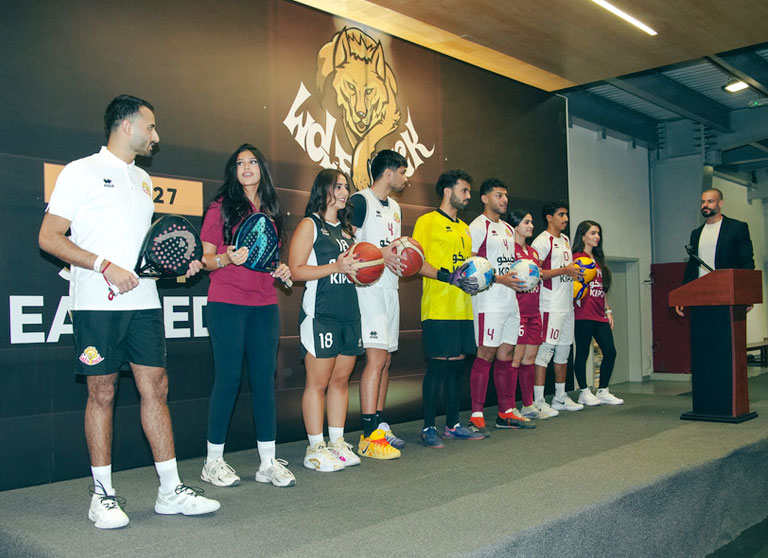
AUK Opens the 2026–27 Sports Season with “Spot Earned” Season Kick-Off
20, Oct 2026
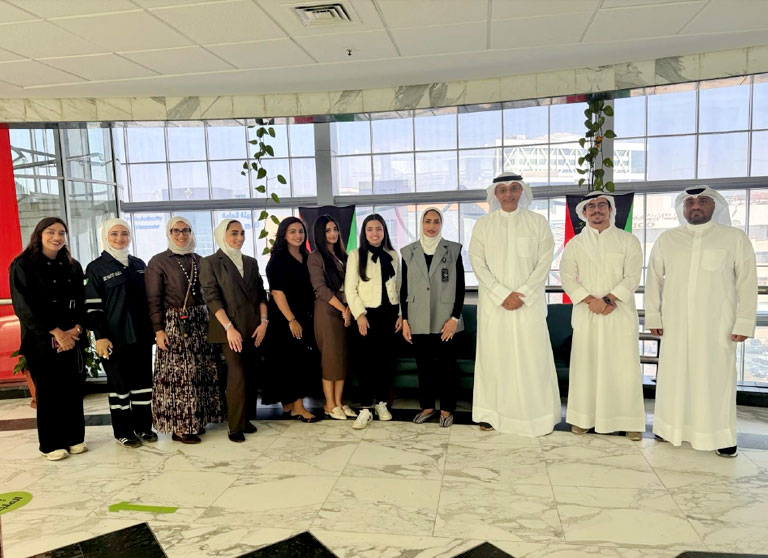
AUK Data Club Students Showcase Advanced Data Analytics at PAI
18, Oct 2026
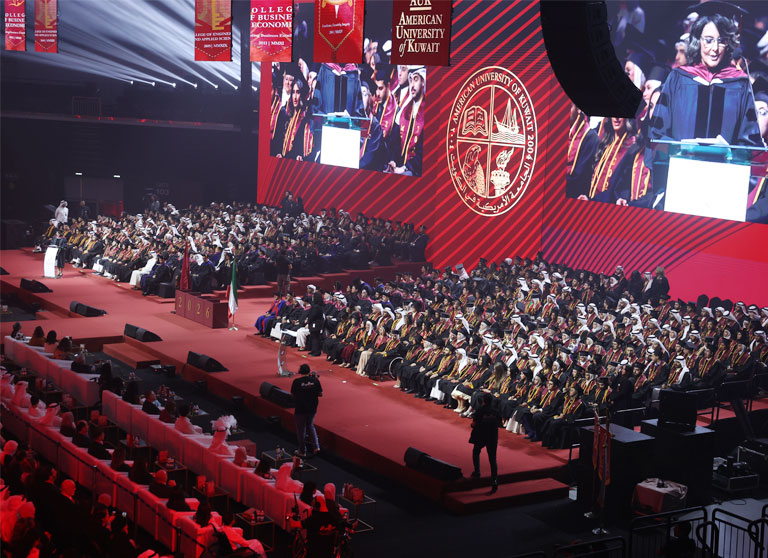
The American University of Kuwait Celebrates the Class of 2026
15, Oct 2026
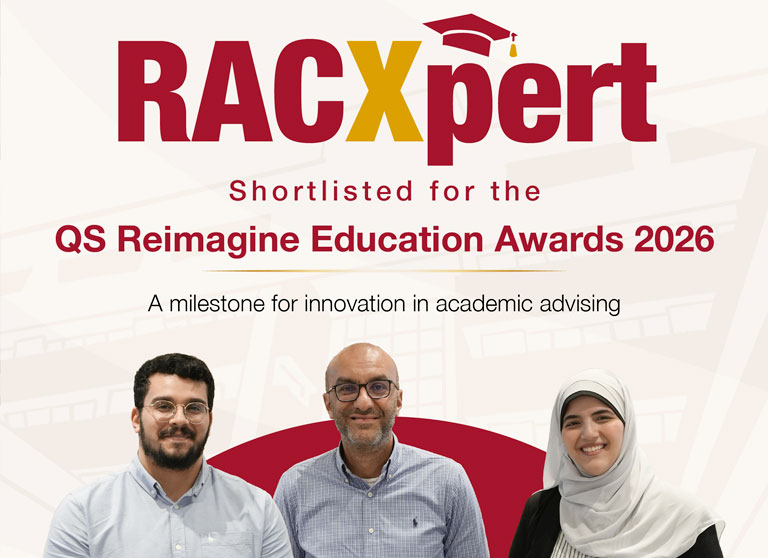
RACXpert Shortlisted for QS Reimagine Education Awards 2026
13, Oct 2026
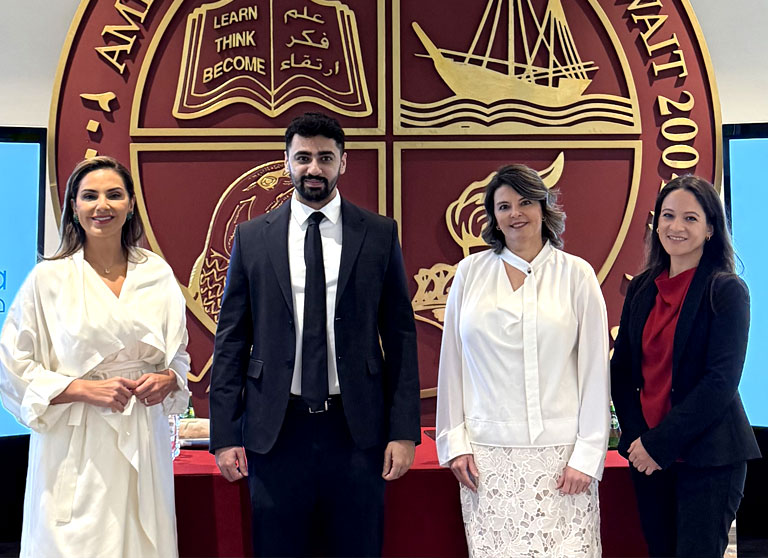
AUK Promotes Mental Health Awareness Through the “Houna” Initiative
13, Oct 2026
AUK Signs MoU with Burgan Bank to Enhance Financial Support for Students
13, Oct 2026
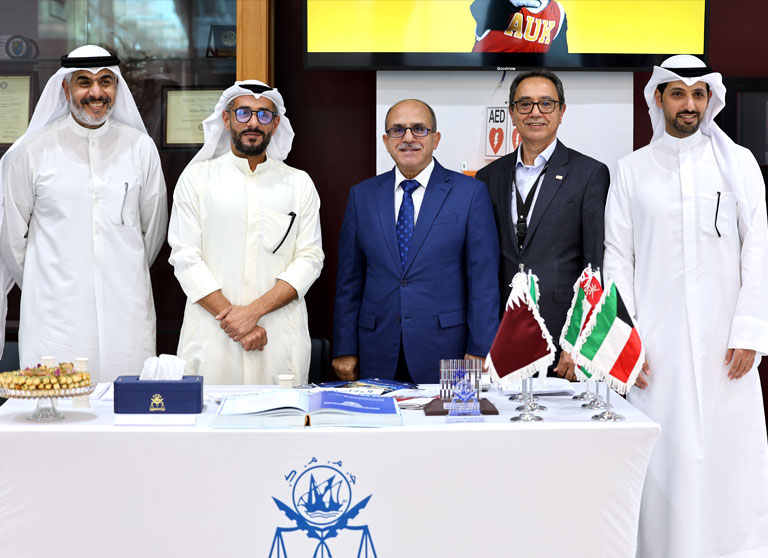
Celebrating Gulf Accounting Week 2026!
11, Oct 2026
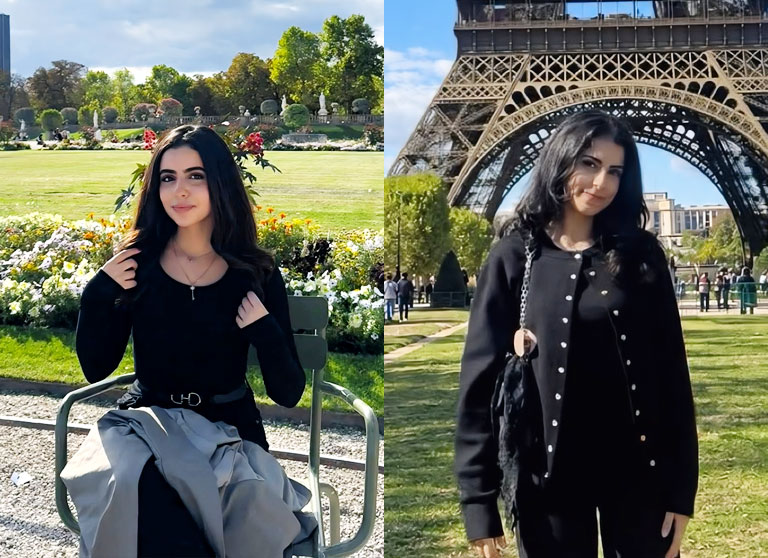
AUK Students Embark on Semester Abroad at Sciences Po
27, Sep 2026
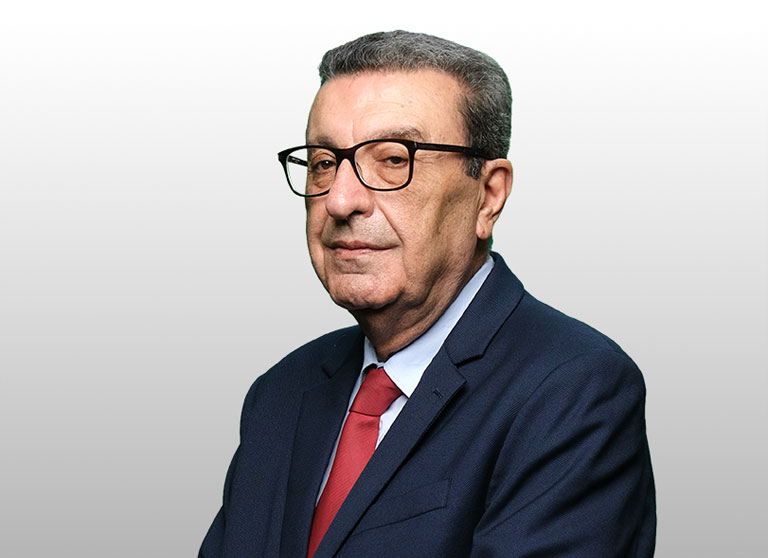
Dr. Nizar Hamzeh Publishes Research on Kuwait’s Constitutional Approach to International Law
16, Sep 2026
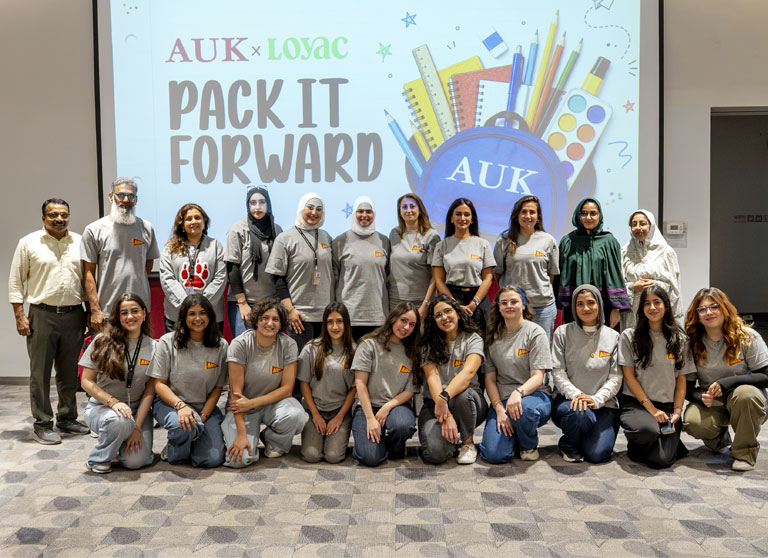
AUK Provides 200 School Bags to Support Families in Collaboration with LOYAC
13, Sep 2026