


Water Policy and Associated Technological Challenges in Arid Dynamic Environments: The Special Case of Arabian Gulf Countries
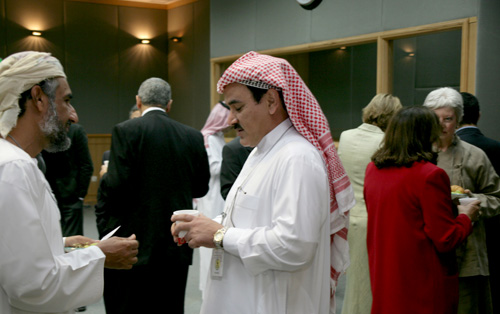
The University of Texas Center for International Energy and Environmental Policy, with the American University of Kuwait and Schlumberger Water Services, organized the first annual conference entitled: "Water Policy and Associated Technological Challenges in Arid Dynamic Environments: The Special Case of Arabian Gulf Countries." The conference was hosted at the American University of Kuwait campus in Salmiya on 28 and 29 April, 2008. The conference included an emphasis on policy definition and the need shape fundamental science and engineering research programs involving many traditional topics in which scientists and engineers engage. The conference participants demonstrated cultural, religious, and societal roles and their influences on water resource policies.
Dr. Fares Howari, Middle East Regional Coordinator of the University of Texas Center for International Energy and Environmental Policy, stated that, "an additional interesting dimension to water resources in the Middle East is linked with an increasing energy demand for water desalination. Thus, there is an increased need for investments in sustainable energy options to maintain and increase water production as the region cannot depend on conventional fuels forever." He further indicated that "Government and the private and public sectors should work together to create incentives, reallocate heavy water and fossil energy subsidies, and invest these subsidies in water Public-Private-Partnership (PPP), and Build, Operate and Transfer (BOT) projects. However, the regulatory framework should be improved to foster such a change."
Recent reports presented in the conference indicated that the Arab states will need to invest $100 billion on desalination over the next decade if demand for water keeps growing at the current pace, especially in the Gulf region. The important element in this debate remains the linkages of water and energy issues and associated policy-oriented research.


Participants demonstrated that the problems of water resources in the Middle East have been also magnified by other factors stemming from policies of food self-sufficiency, declining water quality, and heavy subsidies in some countries that encourage misuse, distorting incentives, and limited cost recovery.
Dr.Howari indicated that these facts should call for the attention of regional and international organizations to take water issues and problems in the Middle East more seriously before they possibly reach a point of no return.
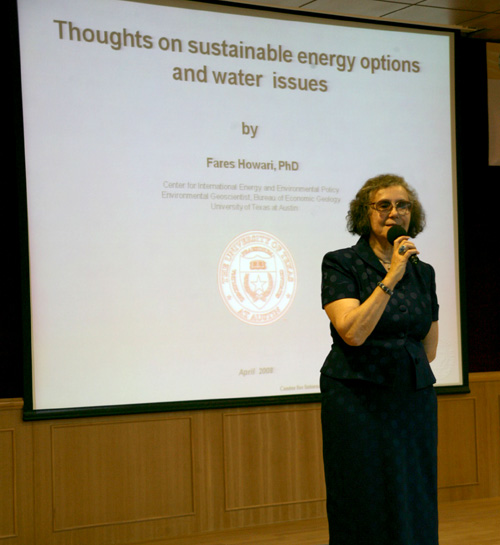
Dr. Marina Tolmacheva, President of AUK
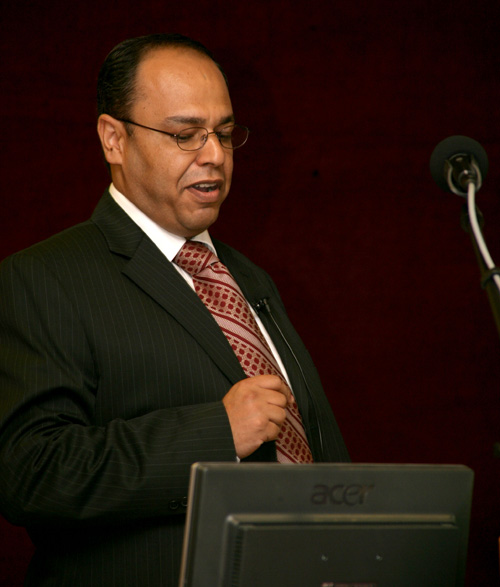
Dr. Fares Howari
Related News

AUK Students Embark on Semester Abroad at Sciences Po
27, Sep 2026
Dr. Nizar Hamzeh Publishes Research on Kuwait’s Constitutional Approach to International Law
16, Sep 2026
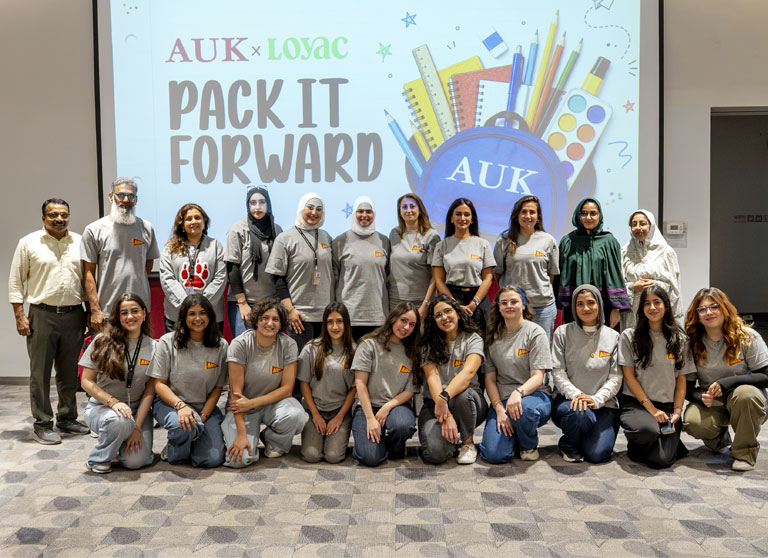
AUK Provides 200 School Bags to Support Families in Collaboration with LOYAC
13, Sep 2026
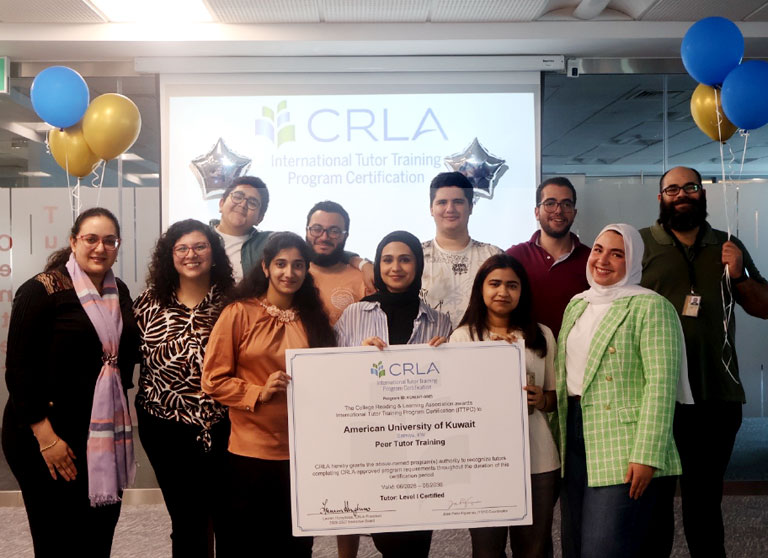
AUK Tutoring Center Renews International CRLA Certification
25, Aug 2026
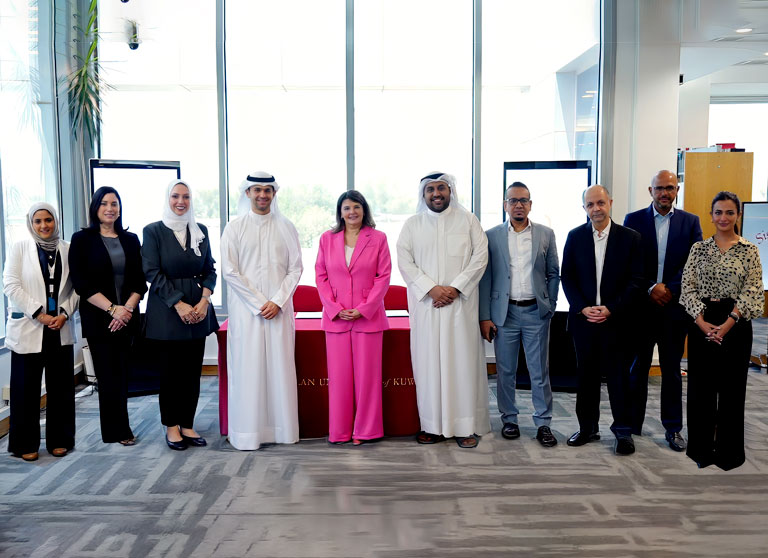
American University of Kuwait Partners with Ruba to Facilitate Flexible Tuition Payment Solutions
24, Aug 2026

American University of Kuwait Professor Clark Stoeckley Showcases Work at Dartmouth
18, Aug 2026
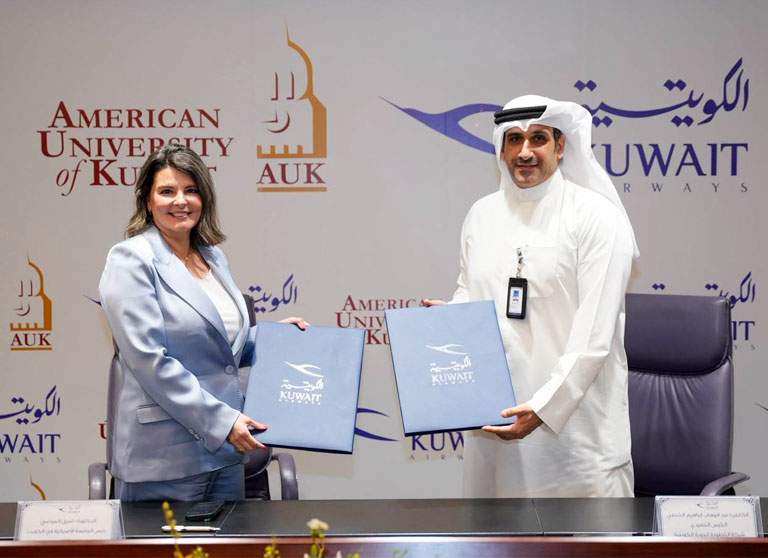
American University of Kuwait and Kuwait Airways Sign Memorandum of Understanding to Strengthen Academic and Professional Collaboration
09, Aug 2026
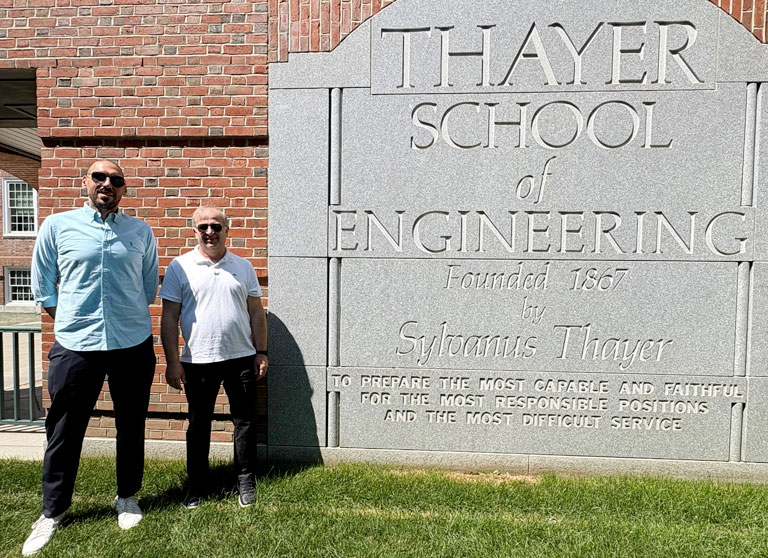
AUK Faculty Strengthen International Research Collaboration Through Dartmouth Partnership
26, Jul 2026
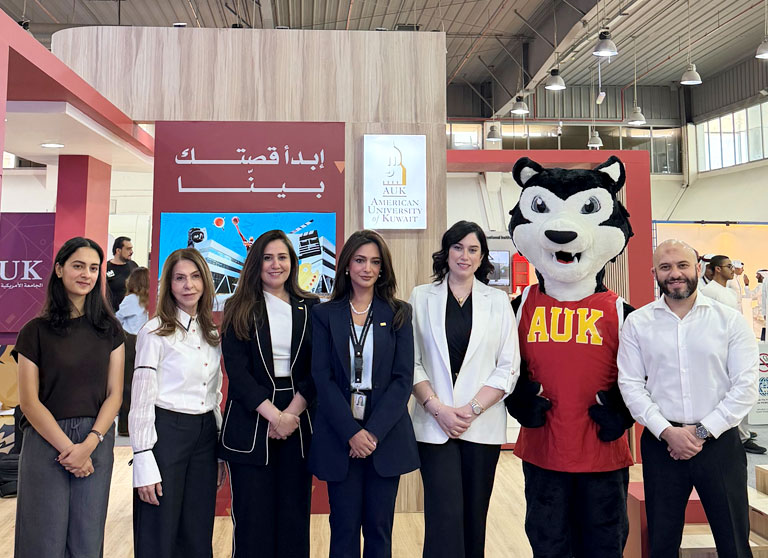
AUK Showcases Its Academic Programs at Universities Exhibition
24, Jul 2026
AUK Signs an MOU with the Kuwait Association of Accountants and Auditors to Strengthen Academic and Professional Collaboration
22, Jul 2026