


News
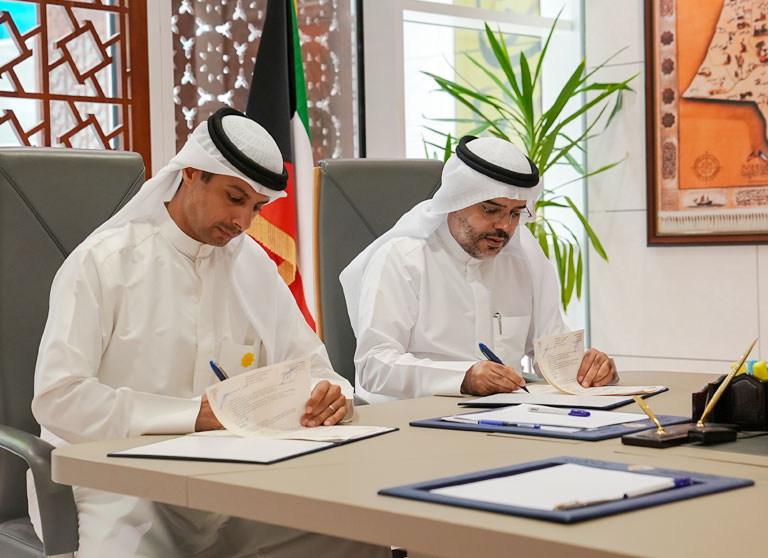
The American University of Kuwait (AUK) has signed a Memorandum of Understanding with the Ministry of Social Affairs to strengthen cooperation between the two institutions. The agreement aims to provide assessment tests and professional preparation courses for applicants seeking financial and administrative controller positions at Kuwait’s cooperative societies (co-ops), thereby contributing to the development of national talent and enhancing applicants’ professional readiness.
The agreement reflects AUK’s commitment to its community role and its mission to support national development by delivering high-quality training and professional development programs based on leading academic and professional practices. These programs are designed to respond to labor market needs and the requirements of government institutions.
Commenting on the partnership, Dr. Abdulrahman Al-Quraishi, Director of the Center for Continuing Education at the American University of Kuwait, stated that the collaboration reflects the University’s commitment to leveraging its academic and training expertise in service of the community and to strengthening cooperation with government institutions.
Dr. Al-Quraishi said: "This partnership stems from the American University of Kuwait’s responsibility toward the community and its belief in the importance of supporting national initiatives that contribute to preparing qualified professionals equipped with the skills and knowledge required to perform their duties efficiently and professionally. Through this agreement, we seek to utilize the University’s academic expertise and resources in support of government institutions. We also look forward to establishing further strategic partnerships with ministries and government entities in a manner that advances Kuwait’s national development goals."
Under the Memorandum of Understanding, AUK’s Center for Continuing Education will organize and administer the assessment tests and professional preparation courses in accordance with academic and professional standards that ensure high-quality outcomes and effectively prepare applicants for positions at Kuwait’s co-ops.
The American University of Kuwait reaffirmed its commitment to expanding its partnerships with the public and private sectors, further strengthening its role as an active partner in human capital development, promoting a culture of lifelong learning, and contributing to Kuwait’s vision of building a qualified national workforce capable of meeting the requirements of sustainable development.
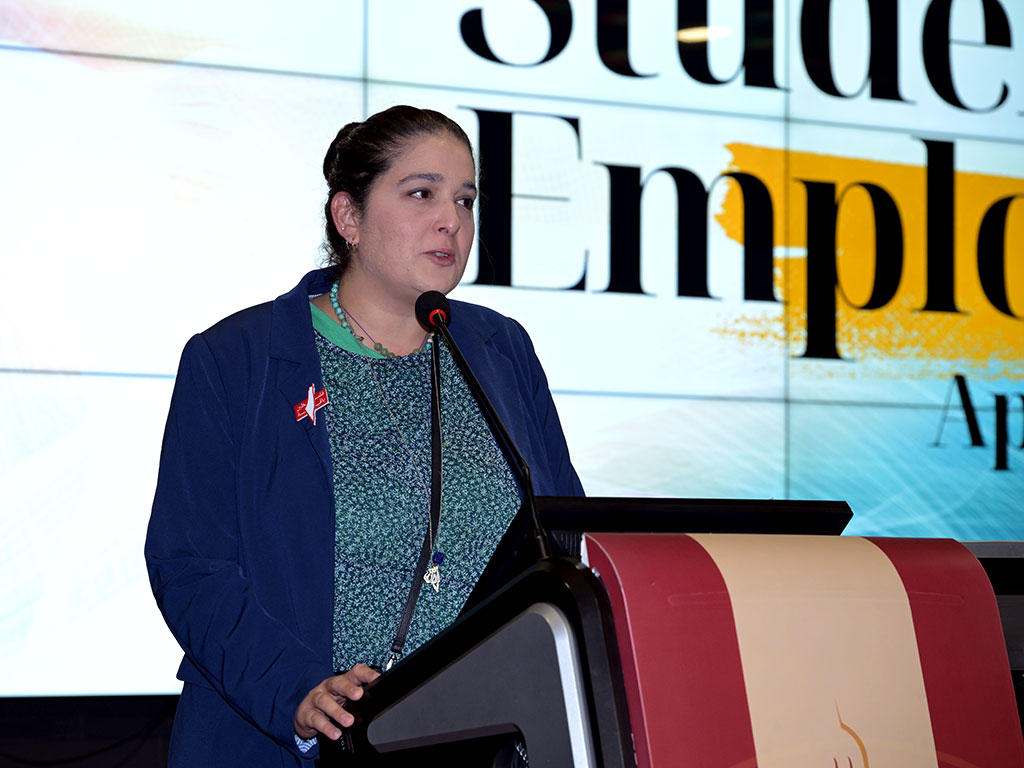
Dr. Abdulrahman Al-Quraishi, Director General of the Center for Continuing Education at AUK
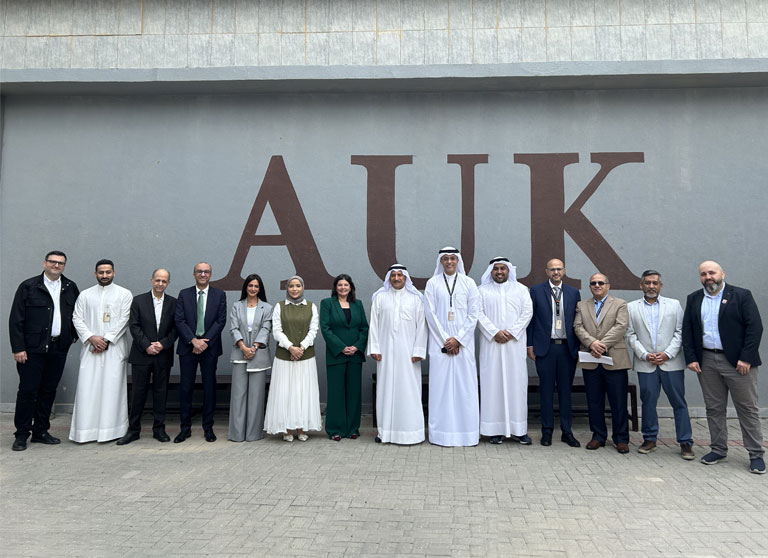
Dr. Abdulrahman Al-Quraishi and Dr. Khaled Al-Ajmi sign the Memorandum of Understanding
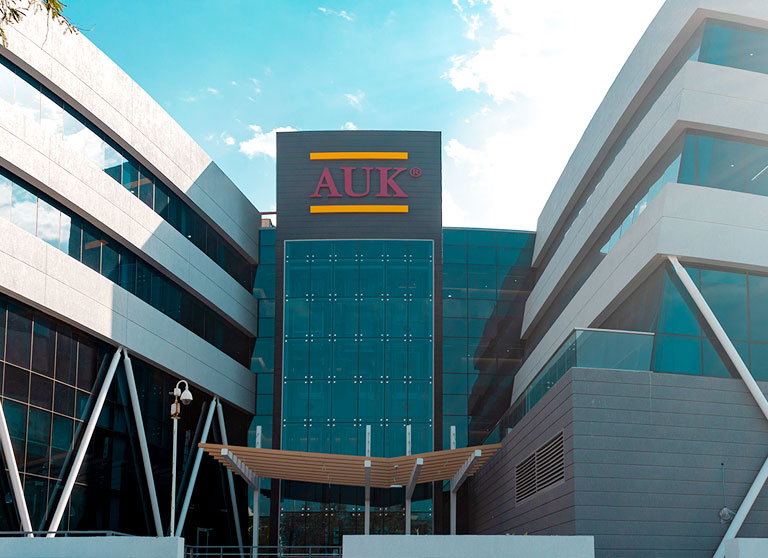
The American University of Kuwait (AUK) has been granted Candidate for Accreditation Status by the Middle States Commission on Higher Education (MSCHE) on March 12, 2026. The decision publicly announced by MSCHE.
MSCHE is one of the leading institutional accrediting agencies recognized by the United States Department of Education and accredits over 500 institutions of higher education, prestigious and Ivy league universities such as Princeton University, Johns Hopkins University, Georgetown University, New York University, and the American University of Beirut.
Achieving candidacy affirms AUK’s commitment to the highest standards of academic quality and positions the University on a clear path toward accreditation. For AUK students, this milestone reflects concrete progress toward ensuring their education meets internationally recognized standards of excellence.
This achievement follows an evaluation conducted by an MSCHE peer review team in November 2025, where AUK met all seven accreditation standards, and received zero requirements—the strongest possible outcome at the candidacy stage. In addition, AUK earned four commendations recognizing its transparency, collaborative institutional culture, quality of general education, and strong student support services.
AUK is the first institution in Kuwait to achieve MSCHE candidacy. As such AUK joins a select group of 16 institutions outside the United States affiliated with MSCHE. It is also the first new MSCHE candidate in the Middle East in over two decades, joining the American University in Cairo, the American University of Beirut, and the American University of Sharjah, in holding active MSCHE accreditation or candidacy status.
AUK already holds six U.S. programmatic accreditations, including AACSB, ABET, AALE, CEA, and one NASAD Substantial Equivalency recognition, spanning business, engineering computing, liberal education, English language, and design. In addition to the existing Private Universities Council institutional accreditation, MSCHE candidacy adds international institutional accreditation endeavors to this portfolio.
Dr. Aseel Alawadhi, President of AUK, stated:
“This candidacy reflects what AUK has built over the past two decades: strong academic programs, dedicated faculty, and a genuine commitment to our students. As the first institution in Kuwait to reach this stage with MSCHE, we are proud of what this achievement says about the quality of our Liberal Arts education at AUK.”
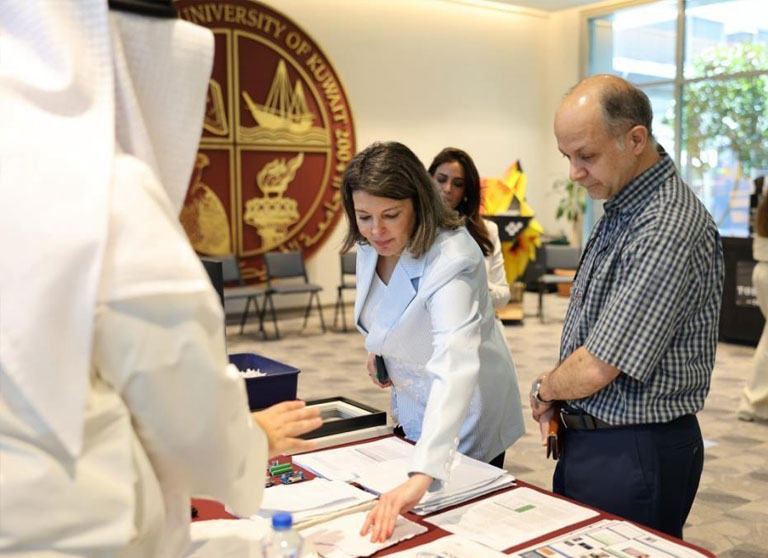
The American University of Kuwait (AUK) hosted its 2026 Engineering Capstone Projects Exhibition, showcasing innovative projects developed by students from the College of Engineering and Applied Sciences. The exhibition highlighted the culmination of the students' academic journey and demonstrated their ability to apply theoretical knowledge to develop practical solutions that address future challenges. The event was attended by the University's President, faculty members, representatives from government and private sector organizations, parents, and invited guests.
The exhibition featured a diverse range of engineering and technology projects that reflected the students' creativity, innovation, and technical expertise. Projects addressed a variety of contemporary fields, including recycling and environmental sustainability, augmented reality, smart home systems, and Natrix, a search and rescue system. Students also presented interactive projects based on the Escape Room concept, demonstrating their ability to develop innovative solutions that respond to community needs while keeping pace with rapid technological advancements.
The exhibition also provided students with the opportunity to present their projects to faculty members, industry professionals, and representatives from participating organizations, allowing them to discuss their ideas, exchange expertise, and receive valuable feedback. This experience further strengthened their communication and professional presentation skills while reinforcing the connection between academic learning, practical application, and the evolving demands of the job market.
The event underscored the importance of capstone projects as a cornerstone of the students' academic experience. These projects enable students to integrate the knowledge and skills they have acquired throughout their studies to design and implement innovative solutions to real-world challenges, while demonstrating their readiness to transition into their professional careers.
The Engineering Capstone Projects Exhibition reflects the American University of Kuwait's ongoing commitment to fostering a culture of innovation and scientific research, promoting applied learning, and providing students with a platform to showcase their academic achievements. This commitment aligns with the University's mission to prepare graduates with the knowledge, skills, and practical experience needed to contribute to sustainable development and meet the demands of the future.
A view of the American University of Kuwait's (AUK) 2026 Engineering Capstone Projects Exhibition
Dr. Aseel Al-Awadhi, President of the American University of Kuwait (AUK), with Dr. Ali Charara, Dr. Mohammed El-Abd, and Dr. Mounib Khanafer during the 2026 Engineering Capstone Projects Exhibition
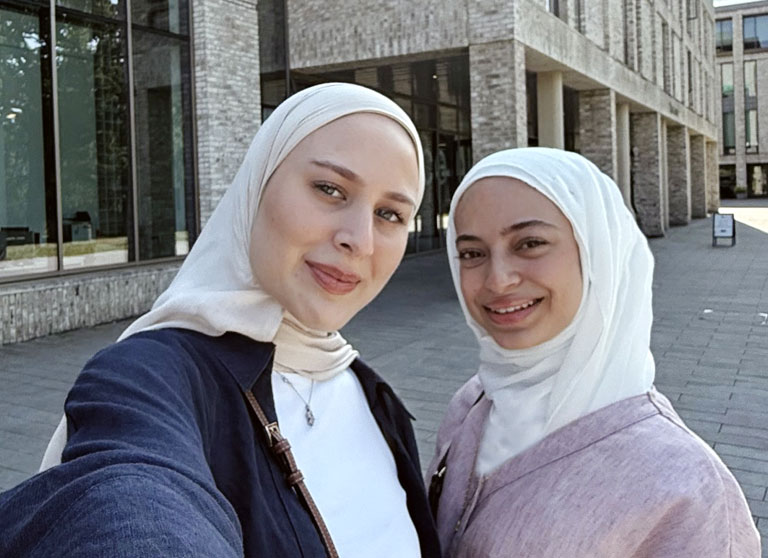
The American University of Kuwait (AUK) continues to expand opportunities for students to gain international academic and cultural experiences through its growing network of partnerships with leading universities around the world.
This summer, AUK students Nora Darkhabani and Sara Dallol have begun their Study Abroad journey at the University of Roehampton in the United Kingdom. Marking the second cycle of AUK students participating in the University of Roehampton exchange, this latest cohort reflects the continued success of the partnership and its growing impact in providing students with meaningful international learning opportunities. The program enables students to earn academic credit while immersing themselves in a new cultural environment, broadening their global perspectives, and developing the skills needed to succeed in an increasingly interconnected world.
International student programs are a cornerstone of AUK’s commitment to preparing globally minded graduates by fostering cross-cultural learning, personal growth, and academic excellence. Through these experiences, students strengthen their adaptability, independence, and intercultural competencies while building lasting connections beyond the classroom. As AUK continues to strengthen its relationships with distinguished international institutions such as the University of Roehampton, students gain access to transformative opportunities that enrich both their academic and personal development.
The University looks forward to welcoming Nora and Sara back to campus and celebrating the valuable global perspectives, experiences, and insights they will bring to the AUK community.
AUK students Nora Darkhabani and Sara Dallol
AUK students Nora Darkhabani and Sara Dallol
AUK President, Dr. Aseel Al-Awadhi, welcomed Sheikha Dr. Al-Anoud Ibrahim Al-Sabah, Acting Director General of the National Library of Kuwait (NLK), to discuss potential areas of collaboration between the two institutions. The visiting team included Ms. Anwar Al-Dhamer, Director of the Arab Heritage department; Ms. Adhari Al-Hayef, Director of the Copyright Department; Mr. Abdulaziz Abu Al-Hasan; and Ms. Sara Al-Shehab.
As part of the visit, the NLK Team visited the AUK Library and met with the Library Director to learn about the library's services, technologies, and systems. The meeting focused on identifying opportunities for future collaboration between the two libraries.
AUK President, Dr. Aseel Al-Awadhi, along with Sheikha Dr. Al-Anoud Ibrahim Al-Sabah, Acting Director General of the National Library of Kuwait (NLK)
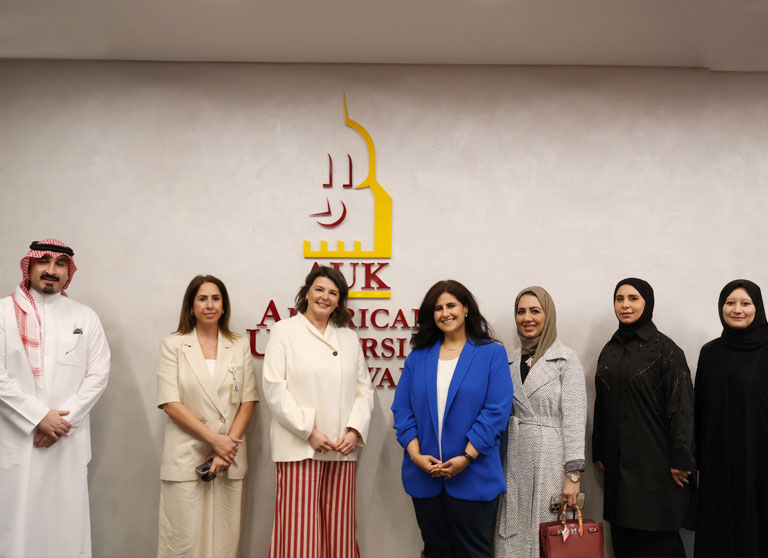
Group photo of AUK and NLK management team
General photo from the event
General photo from the event
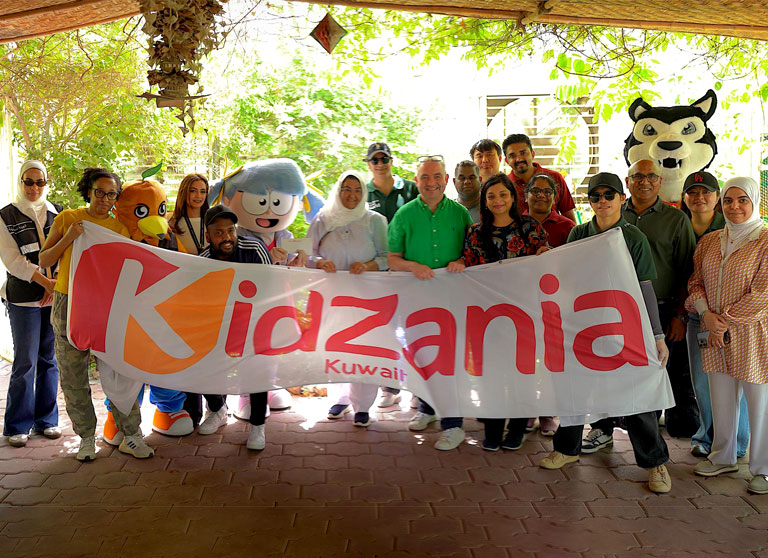
The American University of Kuwait (AUK), in collaboration with KidZania Kuwait, proudly participated in activities organized in celebration of World Environment Day 2026, reaffirming its commitment to sustainability, environmental responsibility, and community engagement.
As part of this collaboration, AUK took part in a series of community-focused activities designed to promote environmental awareness and encourage sustainable practices among individuals and organizations.
One of the key highlights of the collaboration was the Tree Plantation Drive held at the Shamiya Greenhouse, where participants came together to contribute to environmental conservation efforts and support a greener future. AUK also joined KidZania Kuwait for the closing ceremony, which brought together community members, families, and partner organizations to celebrate collective efforts toward environmental sustainability.
Through this partnership, AUK and KidZania Kuwait sought to raise awareness about the importance of adopting sustainable practices, conserving natural resources, and encouraging positive environmental action within the community.
World Environment Day serves as a global platform for inspiring action on environmental challenges, including climate change, waste reduction, and resource conservation. By collaborating with KidZania Kuwait on this initiative, AUK further demonstrated its dedication to fostering environmental consciousness and creating meaningful opportunities for community engagement.
AUK remains committed to supporting initiatives that promote sustainability, social responsibility, and active citizenship while empowering future generations to contribute to a more sustainable world.
This collaboration reflects AUK’s mission to cultivate responsible leaders who are prepared to address global challenges through innovation, education, and community involvement.
For more information about AUK’s sustainability and community engagement initiatives, follow AUK on its social media channels or visit the university’s website.
Mrs. Yasmeen Alsalem, PR & Marketing Director at AUK
General photo from the World Environment Day 2026 activity organized by KidZania Kuwait with the participation of AUK
General photo from the World Environment Day 2026 activity organized by KidZania Kuwait with the participation of AUK
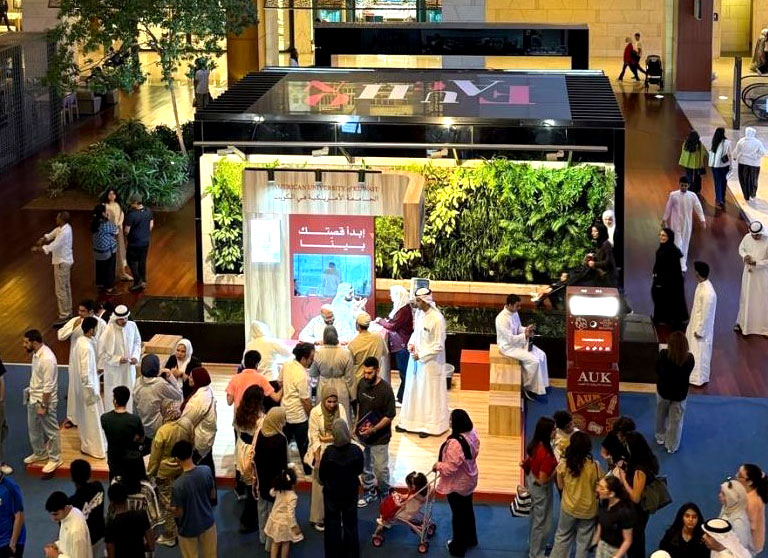
The American University of Kuwait (AUK) marked a strong presence at the Derasti 2026 Exhibition, held at 360 Mall from Thursday, May 14, to Saturday, May 16, attracting a large number of prospective students and parents interested in exploring higher education opportunities and academic programs.
AUK's exhibition booth witnessed significant engagement, as representatives from the Office of Admissions, along with staff from various university departments, welcomed visitors and provided comprehensive information on the University's academic programs, admission requirements, scholarship opportunities, campus life, and the wide range of student activities available at AUK.
During the exhibition, the University showcased its diverse portfolio of academic programs designed to meet the evolving demands of the job market through its three academic colleges: the College of Engineering and Applied Sciences, the College of Business and Economics, and the College of Arts and Sciences.
The College of Engineering and Applied Sciences offers undergraduate programs in Computer Engineering, Electrical Engineering, Systems Engineering, Computer Science, and Information Systems. The College of Business and Economics offers programs in Accounting, Marketing, Finance, Management, Economics, and Human Resources Management. Meanwhile, the College of Arts and Sciences offers programs in Graphic Design, Media, English, International Relations, and Social and Behavioral Sciences.
Commenting on the University's participation, Dr. Asheel Al-Awadhi, President of the American University of Kuwait, stated that AUK's participation in the Derasti 2026 Exhibition reflects its ongoing commitment to supporting students and helping them make informed academic and career choices. She emphasized that the University remains dedicated to providing a modern educational environment that aligns with international standards while responding to the evolving needs of today's job market.
Dr. Al-Awadhi added that AUK is committed to preparing a new generation of graduates equipped with leadership skills, practical knowledge, and the ability to make a meaningful impact on both the local and international workforce and society.
The American University of Kuwait affirmed that its participation in the Derasti 2026 Exhibition forms part of its continuous efforts to engage with prospective students and their families, helping them make confident and well-informed educational decisions while introducing them to the University's dynamic academic environment, which is designed to prepare students for successful professional careers.
At the conclusion of the exhibition, the University expressed its appreciation to everyone who visited the AUK booth and looks forward to welcoming a new cohort of ambitious students into its academic community.
Dr. Aseel Al-Awadhi, President of the American University of Kuwait (AUK)
A group photo featuring members of AUK's Admissions, Public Relations, and Marketing teams, along with faculty members, joined by Dr. Aseel Al-Awadhi, President of the American University of Kuwait, and Dr. Abdulrahman Al-Farhan, Vice President for Student Affairs
General view of the American University of Kuwait's (AUK) participation in the Derasti Exhibition
General view of the American University of Kuwait's (AUK) participation in the Derasti Exhibition
The Library at the American University of Kuwait has announced the successful launch of a new artificial intelligence (AI) assistant integrated into its Oral History and Documentation platform, a project supported by Kuwait Projects Company KIPCO, marking a significant advancement in access to Kuwait’s cultural and historical records.
The platform, available at https://oralhistory.auk.edu.kw, serves as a digital archive dedicated to preserving personal narratives and archival materials that contribute to Kuwait’s collective memory. With the addition of the AI assistant, users can now engage with the collection in a more dynamic and intuitive manner.
Developed as part of the university’s ongoing commitment to innovation in the digital humanities, the AI assistant enables users to navigate the archive more efficiently by responding to natural language queries, summarizing oral histories, and surfacing relevant materials across the collection.
The Oral History and Documentation site features a growing collection of interviews, transcripts, and photographs documenting the social, cultural, and economic development of Kuwait. The AI assistant significantly enhances the discoverability of these materials, particularly for students and researchers. This initiative positions AUK at the forefront of digital humanities innovation.
A new collection of interviews was recently released featuring prominent narrators, including Amer Al-Tamimi, Dr. Sulaiman Al-Shatti, May Al-Nouri, and Abdulaziz Al-Khateeb.

The American University of Kuwait Board of Trustees, under the leadership of Shaikha Dana Naser AlSabah is proud to appoint Dr. Aseel AlAwadhi as the President of the university marking an important milestone in AUK’s continued growth and institutional advancement.
Dr. AlAwadhi brings extensive academic and leadership experience, with a distinguished career dedicated to advancing higher education, strengthening institutional impact, and supporting student success. Her vision aligns with AUK’s mission to foster innovation, academic excellence, and meaningful community engagement. As President, she will lead the University’s continued development by enhancing academic programs, supporting faculty excellence, expanding strategic partnerships, and enriching the overall student experience.
The AUK community warmly welcomes Dr. AlAwadhi and looks forward to the vision, leadership, and continued success she will bring to the University.
Shaikha Dana Naser AlSabah, Chair of the Board of Trustees
Dr. Aseel AlAwadhi, President of AUK
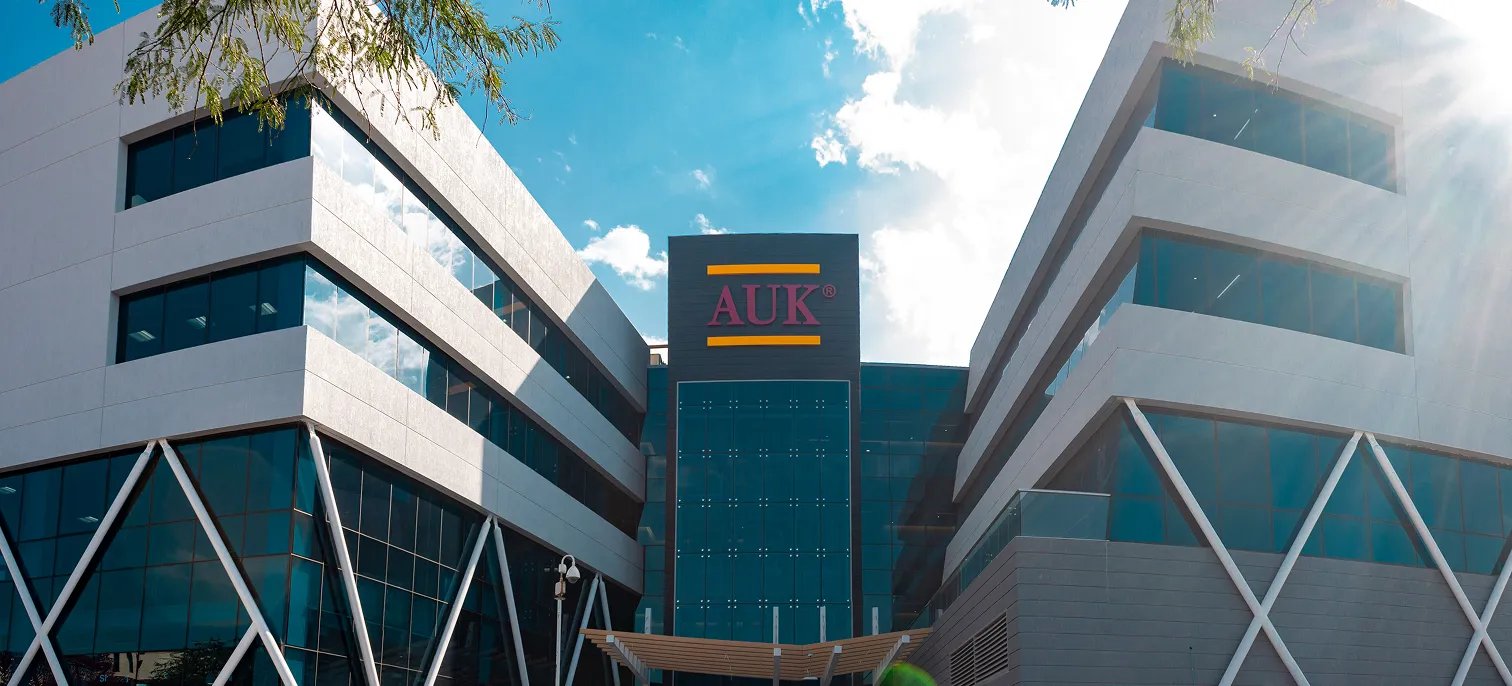
General photo of AUK
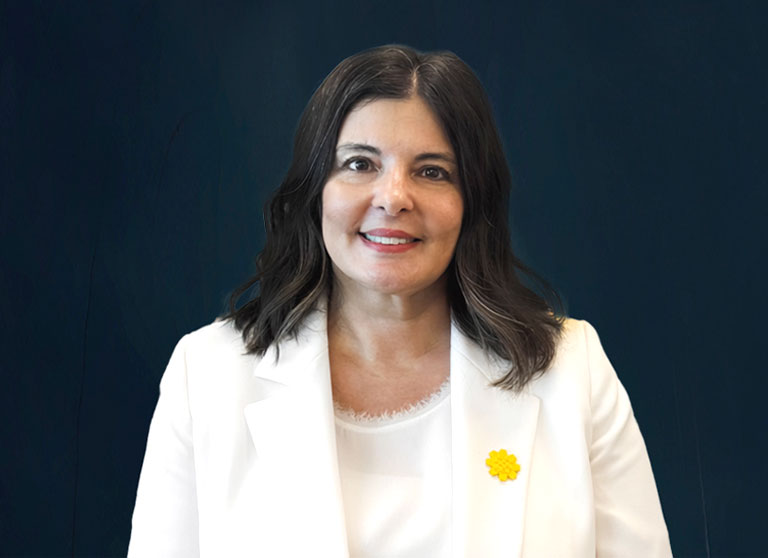
AUK welcomed Dr Jasem Al Ali from the General secretariat of Private Universities council (PUC) as part of ongoing field visits to private higher education institutions across Kuwait.
The visit comes within the framework of overviewing the activation of emergency plans and assessing the precautionary measures to ensure the safety and continuity of the academic process. During the visit, Dr Jasem Al Ali reviewed the ongoing preparations implemented by AUK, as well as the university’s operational procedures designed to maintain a safe and secure campus environment.
University officials presented an overview of the institution’s preparedness plans, safety protocols, and the mechanisms in place to ensure the well-being of students, faculty, and staff while maintaining academic and administrative continuity.
This visit reflects the continued coordination and cooperation between the General Secretariat of the Council of Private Universities and private higher education institutions in Kuwait, reinforcing the shared commitment to strengthening safety standards and institutional readiness across the sector.
The American University of Kuwait remains committed to maintaining the highest levels of preparedness and operational resilience, ensuring a safe learning environment for its academic community.