

News
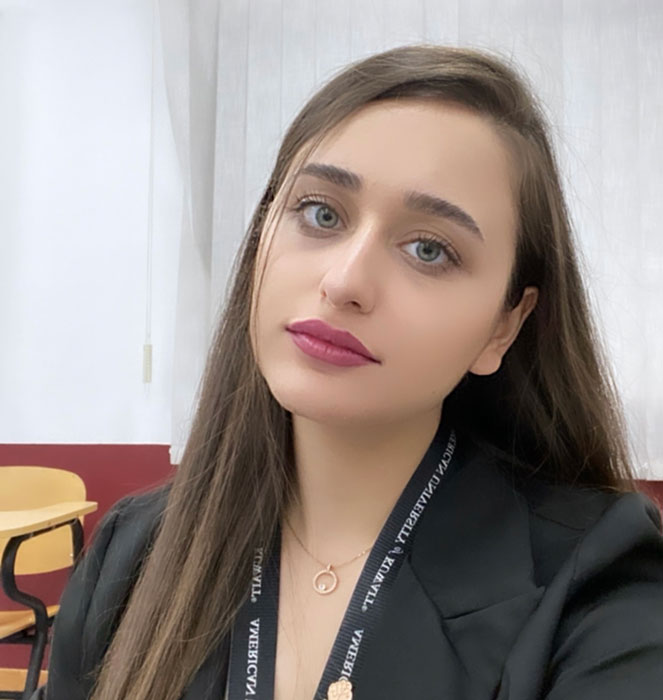
Dima’s primary internship placement is at the Office of Student Life and her secondary placement is at AACD. She graduated with a bachelor’s degree in health & human services: early childhood concentration and a minor in psychology. Currently, she is pursuing her master’s degree in educational leadership and policy: higher Education and student affairs at Suny University at Buffalo.
Reflecting upon the benefits of interning at AUK, Dima highlighted how she appreciates the work environment. “What I enjoy most about interning at AUK are the close relationships that are built between the students, faculty, and staff. I appreciate how well each person knows the other’s goals and passions and the willingness to help each other reach their goals. This way creates a great foundation for building lifelong connections and a wider network. I also enjoyed the warm welcome when I first came to AUK and the relationships I have built and can gladly say they have made such a positive impact on me personally and professionally,” she said.
She also advises AUK students seeking internship opportunities abroad to take that step because of the positive learning outcomes they will get from the experience, “Being open to learning different skills even if they're not in your fields of expertise helps you gain that knowledge and life skills that support you along the way.”
Dima considers herself a longlife learner and enjoys trying new things. She loves exercising, painting, and exploring unique places around the world. In the future, she hopes to explore more countries and gain new experiences.
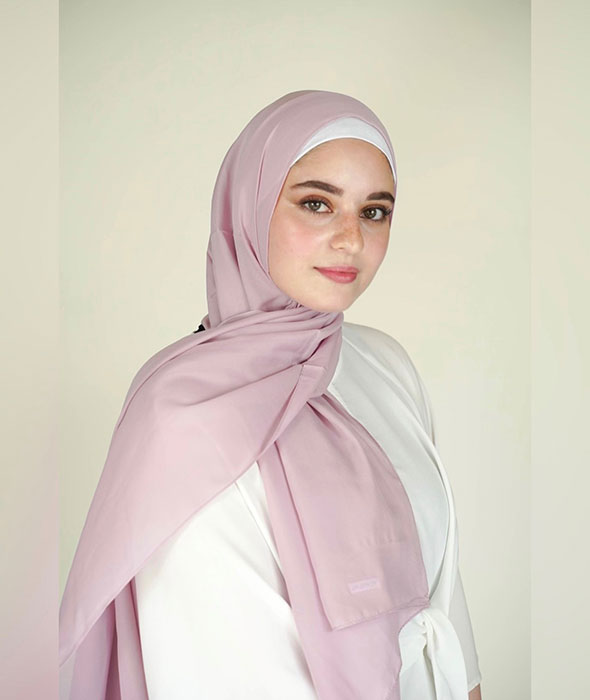
This year exhibited a few of the best examples of the true Wolf Pack spirit. Strength and agility were mastered by the American University of Kuwait (AUK) athletes who exuded camaraderie.
The University Athletics Association of Kuwait
While participating in the University Athletics Association of Kuwait (UAAK), the women’s soccer team won 1st place, earning gold and league medals. The women’s volleyball team placed 2nd, whereas the men’s volleyball and futsal teams placed 3rd. These impressive results are clearly reflective of the excellent sportsmanship AUK embodies on the playing field.
Mohamad Al-Saleh, senior sports coordinator, expressed his pride at this year’s UAAK results, “We are proud of having the highest number of student-athletes this year representing AUK since the start of the sports program. We look forward to continued success in the future.”
Student athlete, Melissa Aboufarraj, commented on her team winning 1st place this year, “The emotions I felt when holding the cup and celebrating with my teammates and coach was indescribable and incredible. It seemed like all our efforts had finally paid off. This was due to our fantastic coach, Ash and captain Haya Al-Dabbous, who were constantly dedicated and pushed us to contribute more. The best is yet to come, and we look forward to more team honors.”
The Higher Education Sports League Tournament
AUK sports teams also participated in the first Higher Education Sports League Tournament which was held by the Higher Education Sports Federation where over 800 student athletes worldwide competed in 8 sports. AUK men's soccer and women's volleyball teams placed 2nd, whereas the women's futsal team placed 3rd.
The closing awards ceremony was attended by the Minister of State for Youth Affairs, Mohammad Al-Rajhi, the members of the Higher Education Sports Federation, and from AUK the dean of student affairs, Hala Al-Abdulrazaq; senior sports coordinator, Mohammad Al-Saleh; sports coordinator, Anas Abdullah, along with all participating universities’ representatives.
“Our teams displayed exceptional sportsmanship, dedication, and perseverance. I am extremely proud of each athlete, and the supporting staff for all their accomplishments. Moving forward, we are excited to continue to support our athletes and provide the AUK community with great experiences next season,” stated the dean of student affairs, Hala Al-Abdulrazaq.
AUK annually participates in both the University Athletics Association of Kuwait (UAAK), and the Higher Education and Institutions Tournament for private and public institutions. This year, AUK hosted a total of 48 games for UAAK and 18 games for the Sports League Tournament.
Winning games is not unfamiliar to AUK athletes. These high rankings and achievements are byproducts of supportive coaches and a tight-knit University community. Be it inside the classroom, off campus, or on the field, the Wolf Pack spirit always manifests in more ways than one—illustrating AUK’s positive and encouraging environment.
General photos of AUK sports teams.
The first workshop explored challenges that resulted from global disruptions including COVID-19 and natural disasters. The session detailed how to foster trustworthiness through communication to help students address the uncertainty of such times, how to design and facilitate peer-to-peer activities to cultivate support in classrooms, and concluded with a review about the importance of building connections and fostering purpose.
The second workshop focused on deploying in-class discussions to exercise learning objectives and engage students with the course material. The session covered instruction methods that focus on skills and practices that enable lifelong learning within disrupted classrooms.
The Center for Teaching Excellence aims to provide AUK faculty with continuous support and resources necessary to apply modern curricula to their classrooms and promote a holistic educational culture that allows faculty to utilize technology while harnessing the best methods of teaching to ensure constructive and active learning environments.
Commenting on CCE’s efforts in the collaboration, the Center’s director, Ms. Nehal El-Shafei said, “From concept to completion, we are delighted to support Gulf Bank in delivering this innovative program designed with an integrated and interactive approach that provides participants with distinct and all-inclusive skill sets for promising talents. Our programs are mostly delivered at the AUK campus with state-of-art facilities and services. From design to delivery, CCE has been successfully advancing the professional society in Kuwait with great learning opportunities in a stimulating and motivational environment. The graduation of this program marks only the beginning of the journey between CCE and Gulf Bank with more to look forward to in the upcoming months.”
About CCE
As a part of the American University of Kuwait (AUK), The Center for Continuing Education (CCE) has been recognized as a successful and leading Professional Development Center in Kuwait. Listed as an approved training center at Civil Service Commission and endorsed by PAAET, CCE has been offering a range of internationally certified professional development programs in Leadership, Management, Business, Finance and Accounting, Human Resources, Technology, Language, Teacher and Self-Development. The center works with a diverse team of American University professors and certified professional experts at an international standard and develops programs and curriculums which meet training requirements of various audiences. Through the center’s partnership with top-notch universities, institutions, and accreditation bodies such as Cambridge International Examinations, Chartered Institute for Securities, and Investment (CISI-UK), CertNexus, Society for Human Resource Management (SHRM), British Council and others from across the globe, we continue to deliver relevant, applied training programs, courses, and proctoring services to our many clients in Kuwait.
About Gulf Bank
Gulf Bank was established on November 23, 1960, when The Amir of Kuwait, signed Amiri Decree No. (44) recognizing Gulf Bank as a shareholding company. Founded by a group of twelve merchants, Gulf Bank has since grown to become one of the largest financial institutions in Kuwait.
Gulf Bank is one of the leading conventional banks in Kuwait with over KD 6 billion in total assets as of 31 December 2020 and provides a wide range of services including consumer banking, wholesale banking, treasury, and financial services through its large network of over 50 branches and over 300 ATMs. The Bank is currently rated 'A' by four leading international credit rating agencies.
Gulf Bank is also committed to maintaining a robust sustainability program which consists of three pillars: social sustainability, economic sustainability, and environmental sustainability. Every year, Gulf Bank strategically selects sustainability initiatives that help the Bank serve its local communities and demonstrate the Bank’s larger commitment to Kuwait.
Gulf Bank’s new strategic plan sits on a strategic foundation which is centered around People, Technology and Risk and targets six strategic pillars with Ambition, People, Ownership and Simplicity sit in the heart of the bank’s core values. The Talent Development team is working to accomplish this goal by supporting the younger high- performing bankers at Gulf Bank.
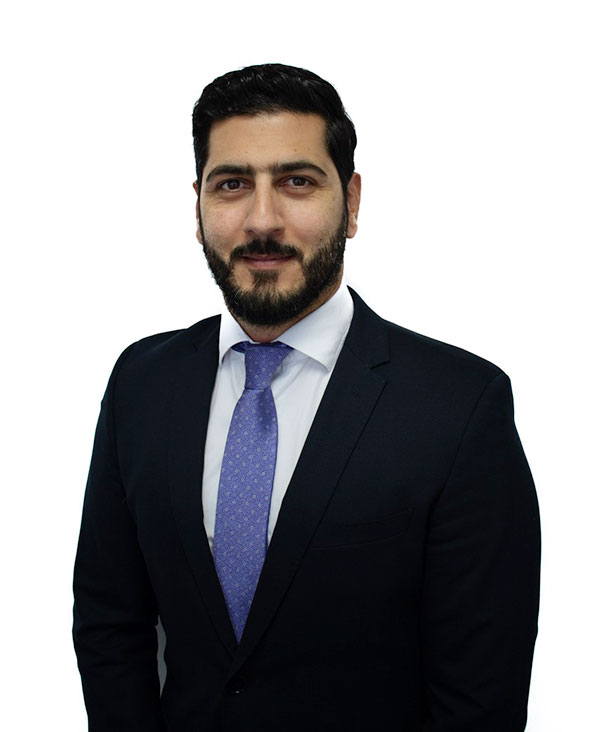
Commenting on his experience at Dartmouth, Dr. Amro said, “The Dartmouth-AUK Fellowship has presented me with a great opportunity to have access to state-of-the-art scientific research facilities and to world-class researchers in one of the top Ivy League research institutions. This kind of opportunity where educators and researchers collaborate is one of the key factors in the constant advancement of science and education.”
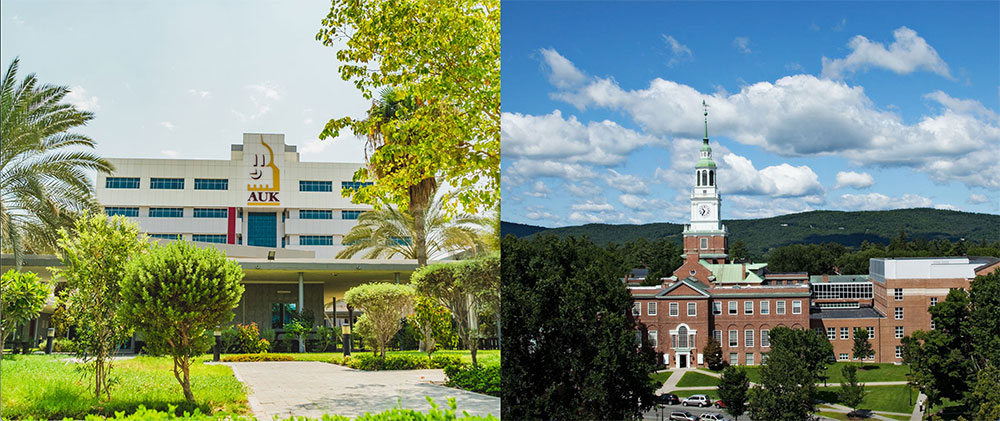
Dartmouth College is the international partner institution to AUK. The two institutions have worked closely together since 2003, when they signed a Memorandum of Understanding that facilitated a series of advisory, consultative, and cooperative projects. The initial agreement was recently renewed for a fourth time in April 2018 to extend through 2022.
Dr. Amro is the thirteenth AUK faculty member to participate in the Dartmouth-AUK Faculty Fellowship program, which has brought an AUK faculty member to Dartmouth each summer since 2009 for mentorship and collaboration.
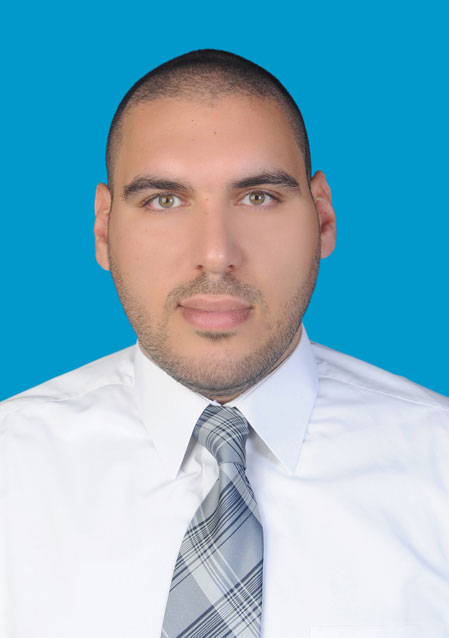
The main goal of Dr. Chedid’s study was to collect normative LA data for 380 pictures from different regions in Lebanon to promote the diversity of different dialects. He accomplished that by using 248 native Lebanese speakers to administer three individual tasks: name agreement, conceptual familiarity, and imageability task. The tasks implemented helped Dr. Chedid to create databases that present norms for psycholinguistic (psychology of language) variables and prove their implications for word recognition.
Dr. Chedid shares how his research benefits the public in various ways, “In-depth knowledge of the processes underlying language processing could, among other things, help find ways to improve the quality of human experience with language and communication. The databases developed in these studies are a meaningful contribution to future studies that will shed further light on the interaction between the linguistic, semantic, and perceptual systems.”
Some students travel and some stay behind to relax or pick up their hobbies after the study grind. Others seize the golden opportunity to finish up their credits and spend time with their friends at the American University of Kuwait (AUK).
We asked students on campus, “How do you spend your time at AUK during the summer semester?”
The answers we got showed one thing: choosing to take a summer class at AUK is not limited to attending lectures. It includes spending time on campus with friends, chatting with professors, and taking advantage of campus facilities.
Hamad Al-Mutawa, a student at AUK, mentions the different spots on campus he likes to spend time in, “I spend most of my time in the cafeteria with one of my friends or inside the lounge—which is considered a safe haven for many students, especially with the high temperatures. I also visit the library to finish some work, and sometimes I go to the music room or the gym.”
Meanwhile, Anas Dahshan spends his summer on campus lending a hand at the University’s Advising Center and using his free time to socialize. “My life on campus alternates between attending lectures and helping out in the student advising center which I find very enlightening—how I could help other people take a step towards their goals. I also spend ample time in the library for I find it peaceful enough to help me focus on my studies. The social life here in AUK is very friendly, diverse, and amusing. Overall, summer in AUK is very eye-opening to all the opportunities students could get to self-reformation all while enjoying quality time,” he said.
There is also the fact that AUK is a Liberal Arts institution that gives students like Farah Fayez the space to take courses beyond her major. Between working and spending time with her friends, she spends most of her summer days on campus. “I chose to register for summer courses this year because I wanted to experiment with a few courses outside of my major and I find that the summer period is the most suitable for that. I spend a lot of time on campus! AUK provides students with the perfect atmosphere to both have fun and study.”
On the other hand, some AUK students have decided to forego the classroom setting in pursuit of internships both in Kuwait and abroad. Whilst AUK’s local internship opportunities aid students in understanding the job market in Kuwait, the international study abroad programs expand students’ horizons.
This summer, some students were selected to participate in the student exchange program AUK offers with its institutional partner, Dartmouth College. Abeer Hisham is one of the students who is currently at the Ivy League institution, “I am very excited to be part of this. I am looking forward to networking with new people, to getting exposed to a different work experience, to learning from the people around me, and most importantly, to allowing myself to evolve and develop in different aspects.”
The AUK campus offers numerous facilities for students’ benefits, from leisure to fitness, and academia. The AUK summer semester is an opportunity for them to get a holistic experience where they balance education and recreation, and maximize their level of productivity and growth.
AUK student Farah Fayez
AUK student Anas Dashan
AUK student in the Student Lounge
AUK students talking in the Generic building
Students in AUK’s campus
This year’s activities are a great example of how this relationship has been sustained throughout the years and still remains solid.
One key event that took place was Dartmouth’s visit to the AUK campus, which happens frequently, where members from both institutions visit each other to catch up on various academic improvements and maintain relations, thus venturing into new collaborative initiatives.
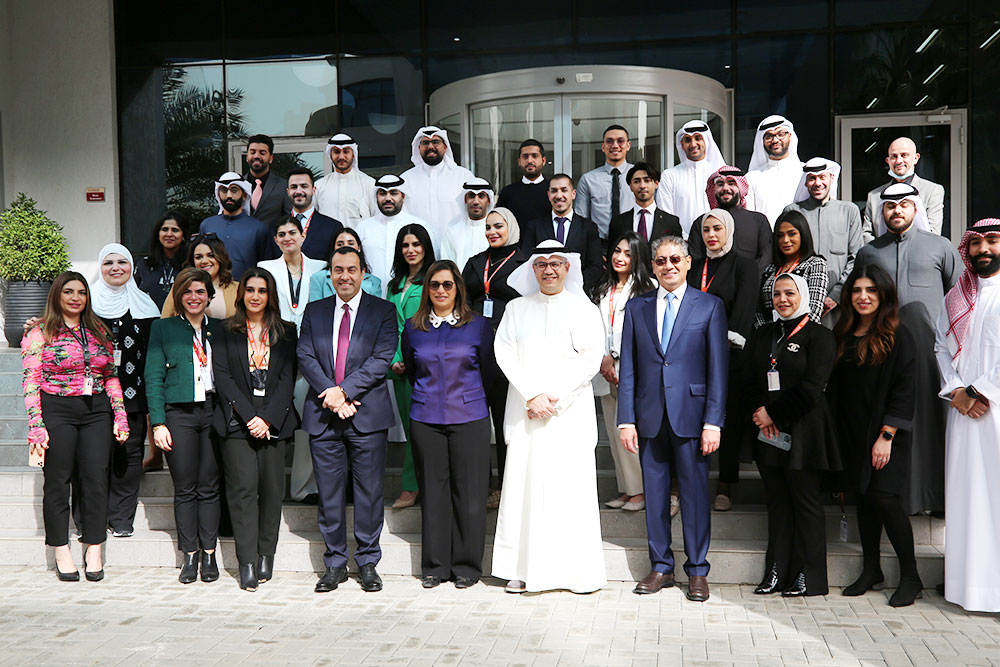
For this year’s week-long visit, AUK warmly welcomed the Dartmouth-AUK Program executive director/relationship coordinator, Professor Dale Eickelman, and Dartmouth-AUK Program deputy director, Ms. Kerry Laufer. A range of meetings with the AUK president, Dr. Rawda Awwad; executive vice president, Ms. Amal Al-Binali; deans, directors, faculty, administrators, and interns took place.
Ideas were exchanged and discussions took place that fostered an environment of growth among the two institutions. Representatives from either side of this cross-cultural bridge met halfway and shared objectives and discussed initiatives to further expand the scope of their partnership.
The Dartmouth party visited classes that showcased AUK’s pedagogy. AUK brings the world into its classroom and vice versa—this can be reflected in Professor Eickelman and Ms. Laufer’s interaction with the students where both parties engaged in open discussions, affirming AUK’s liberal arts values and high educational standards.
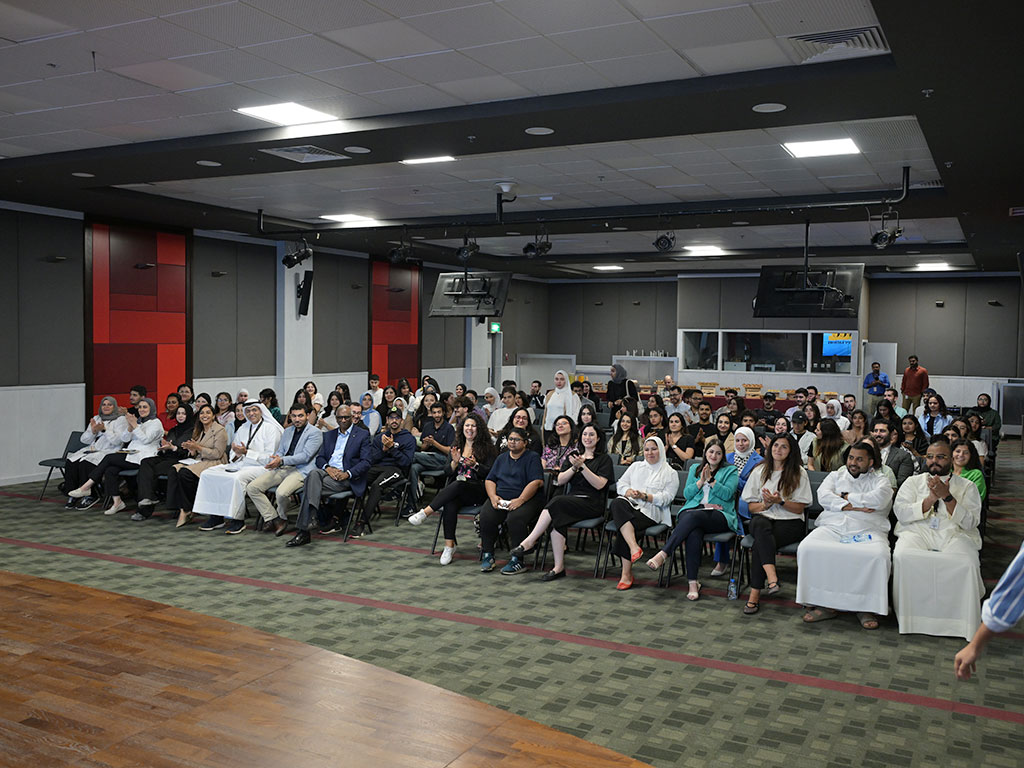
The concluding proceedings of the week included a presentation by Professor Eickelman and Ms. Laufer, titled, “Dartmouth-AUK Connection: What it Means to AUK Students and Faculty”. The presentation expanded on student exchanges, the faculty fellowship program, and collaborative projects between the two universities.
It is also worth noting that as an extension of the Dartmouth-AUK partnership, a total of six students were sent to Dartmouth this summer—four as interns and two as exchange students. This experience is designed to assist with personal growth, expanding students’ horizons academically and professionally, and it is also a means to connect the AUK and Dartmouth communities.
Of equal importance is the Dartmouth-AUK Fellowship. Granted to an AUK faculty member on an annual basis, this fellowship allows professors to grow and expand their research by using the latest equipment in laboratories, collaborating with highly regarded professionals, and utilizing resources needed to publish their research in top journals and international conferences.
The Dartmouth-AUK partnership is a medium of educational, cultural, and professional connection that joins its communities to provide them with a rich, holistic, and unparalleled experience that cannot be sought elsewhere.
These are the kinds of questions that senior students at the American University of Kuwait (AUK) ask themselves when brainstorming ideas for their senior capstone projects. This year, upon polishing up their ideas, AUK’s engineering, applied sciences, and graphic design seniors successfully exhibited their capstone projects.
A number of powerful proposals were submitted to faculty for the possibility of applying these ideas in Kuwait.
AUGMENTED REALITY FOR EDUCATIONAL PURPOSES
Supervised by Dr. Seyed Esmaeili, Almuntaser AbdulSalam, Ahmad Aldulaie, and Amer Alazemi developed a unique system that aims to develop education and improve its outcomes through increasing interaction between teachers and students, ensuring higher levels of participation and a better understanding of course materials.
"The lack of communication and interaction between teachers and students can be found in the existing traditional educational system. This hinders the process of transferring information. Online education has worsened the situation, so we decided to propose a solution that would motivate students to participate through simplifying complex concepts. This means the student won’t have to spend a long time trying to understand complicated terminologies,” stated Alazemi.
Alazemi also explained the benefits of using augmented reality, "We designed and implemented an integrated educational system that employs augmented reality techniques to fill the gaps in the educational system in which there is little to no interaction. Augmented reality is a modern concept that integrates reality with the virtual world. Some mobile applications that use cameras to show three-dimensional models in real life have recently become widespread. We chose augmented reality because studies have shown that 3D models, like other visual stimuli, make it easier for students to understand complex concepts.”
Their project would practically be implemented by providing glasses to the teacher and student to wear. The teacher would then explain the three-dimensional models displayed. Tests would also take place using these models that can provide students with different answers they can choose from; this would ultimately result in more participation and interaction within the classroom setting.
Alazemi concluded by expressing his gratitude, "We thank all faculty members, as they were always readily available and responded to all of our inquiries, especially the dean of CEAS, Dr. Amir Zeid, who also supported us throughout this process. We would like to thank our colleagues for encouraging us too.”
THE TYPING EYE
Abdullah Al-Dihani, Hamad Al-Mutawa, Talal Al-Shammari and Abdulhadi Al-Ajmi also developed an imaginative project: The Typing Eye. Supervised by Dr. Jibran Yousafzai, the project aims to help people suffering from disabilities or paralysis. By using their eyes, patients can select letters and words from a tablet so that these glances are transformed into audible words that their caretaker can understand.
Hamad Al-Mutawa explained that the tablet contains brief commands that include the basic vital needs the patient may require, such as food. The project includes a bracelet that measures the pressure and temperature of the patient and sends a message to caretakers in case of an emergency.
Al-Mutawa discussed what makes his team’s project unique,"Although this idea already exists, what distinguishes our project is that it is set at the lowest possible price, which is only 107 dinars. Since all that is required is a camera, tablet, and sensor, our project is affordable to the general public.”
ARTISITC DESIGNS
On the other side of the spectrum, we have Tariq Al-Qallaf, a graphic designer who created a futuristic model of a motorcycle, “I decided to design a motorcycle and worked on a number of blueprints. My goal was to design a state-of-the-art three-dimensional model of a conceptualized motorcycle. I also wanted to create a brand that can be sold to individuals.”
Al-Qallaf emphasized that his design relied on the basic concepts of fluidity and dynamism and was inspired by contemporary models. He also heavily praised Professor Rita Merheb for being a constant support and always encouraging students to embrace their creativity.
Al-Qallaf is one of the many creative designs that were presented. An array of vibrant colors, ideas and products were put on display. There were designs of eco-friendly candles, classic pop art pillows, exquisite toys and card games, fashionable t-shirts, originally designed books, mugs, and stationery.
Be it coding software or branding products, these exhibitions are a golden opportunity for AUK senior students to apply the theoretical information they learned in class in unconventionally creative ways. It’s also inspirational for visitors to witness 4 years’ worth of knowledge transform into tangible products that reflect AUK’s high educational standards.
AUK’s engineers and graphic designers have a perspective that is not limited to AUK, but rather the community at large, reflecting the principles of practicality and resourcefulness that the University engrains in its students.
Click on the image to view the GEAS capstone photo gallery
Click on the image to view the GDES capstone photo gallery
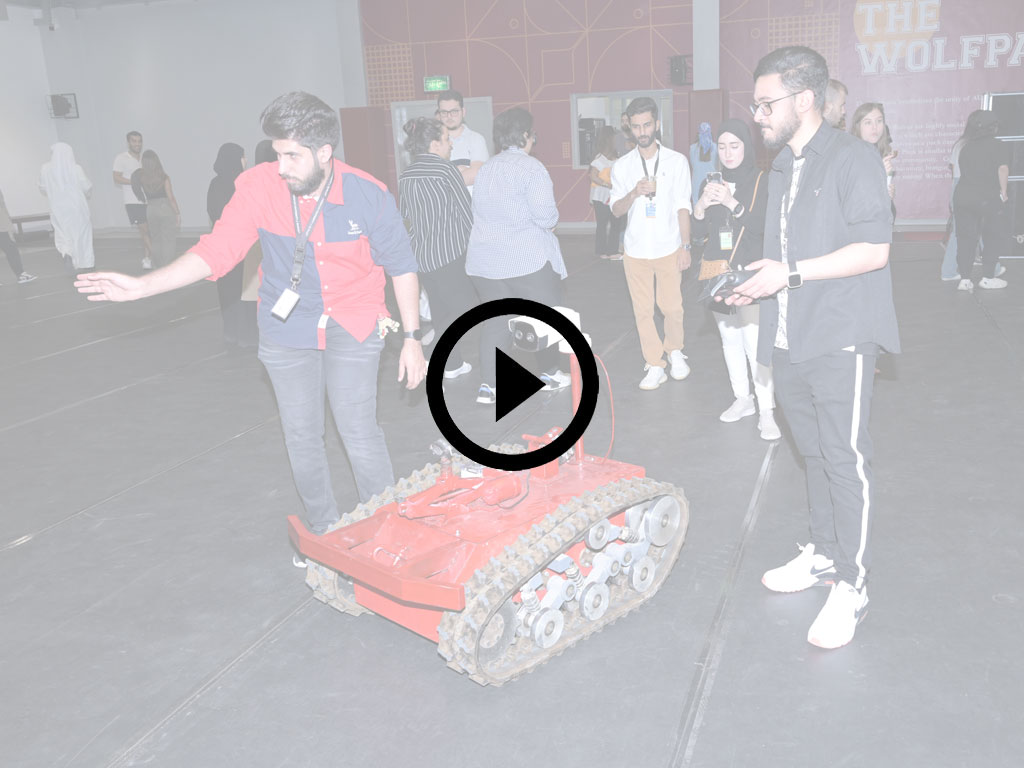
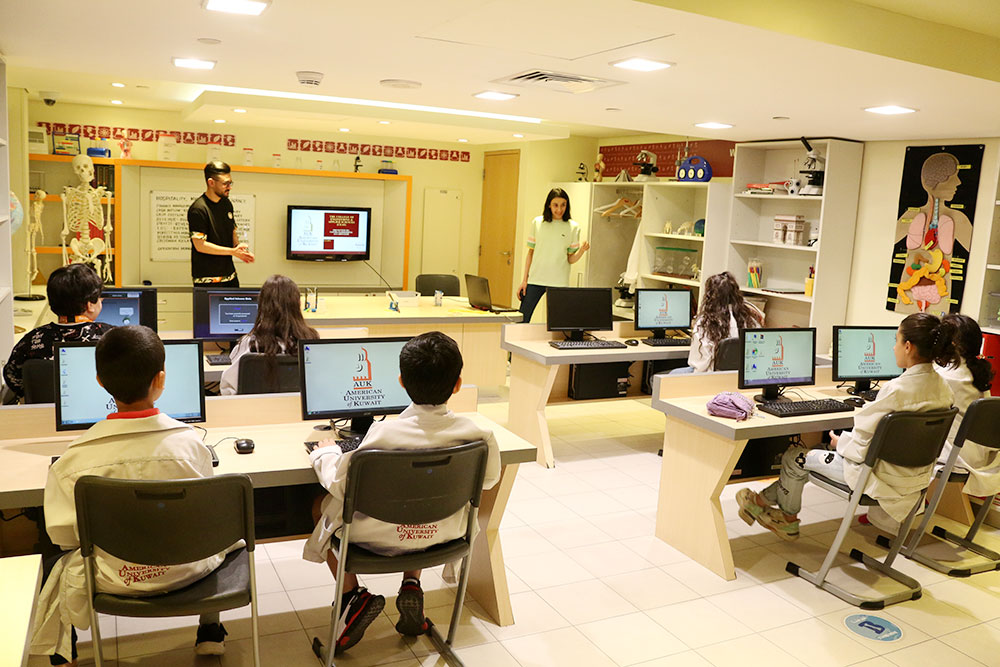
The lecture centered around the steps to become an electrical, computer, system, or civil engineer. Simplifying terminologies to better suit their audience, Fatima and Ali also discussed what makes AUK unique, specifically highlighting AUK’s liberal arts model, its partnership with Dartmouth, and its vibrant location.
Upon completing the lecture, the children collected a CEAS-AUK KidZania certificate and badge, applying the information they received to KidZania’s “Construction World II.”
AUK’s proactivity in approaching youth and school children is reflective of its high educational standards. The AUK establishment within KidZania Kuwait plays an integral part in the child-sized world, providing children with an interactive setting through role-play as university students.